A destination wedding should not feel like a beautiful production placed in another country.
It should feel as though the celebration could only have happened there, and only for that particular couple.
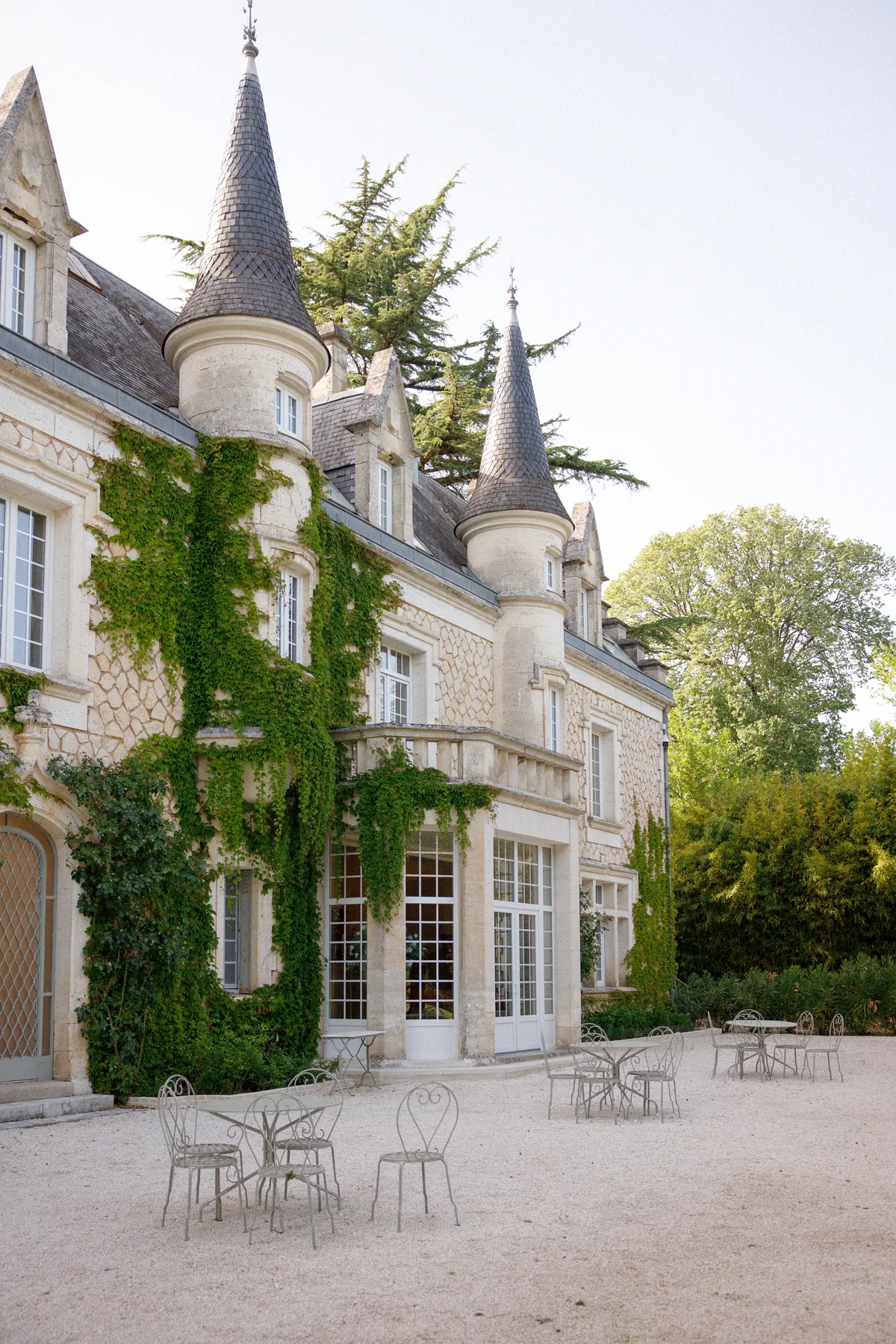
Choosing a remarkable setting is part of the journey, but location alone cannot create that sense of belonging. It develops through a series of connected decisions: how guests arrive, how the venue is experienced, where the couple chooses to invest and how the design responds to the landscape, architecture and culture around it.
These decisions are rarely made in isolation. A change to the venue affects logistics. The guest journey influences the schedule. The design affects production. The season shapes the flowers, light and contingency plan. What appears to be a single wedding day is, in reality, a carefully managed network of experiences.
Before choosing colours or saving hundreds of images, couples should begin by understanding what they want the celebration to mean, and what will be required to deliver it well.
Begin with Identity, Not Aesthetics
It is tempting to begin wedding planning with a visual reference. A table, floral installation or ceremony setting can offer an immediate sense of possibility. But an image cannot explain how a wedding should feel.
Creative direction begins with questions that are less visual and more personal. How do you naturally welcome people? Do you imagine a formal dinner or a relaxed evening that unfolds gradually? Which traditions feel meaningful, and which do not represent you? Do you want guests to discover the destination independently, or experience a complete weekend together?
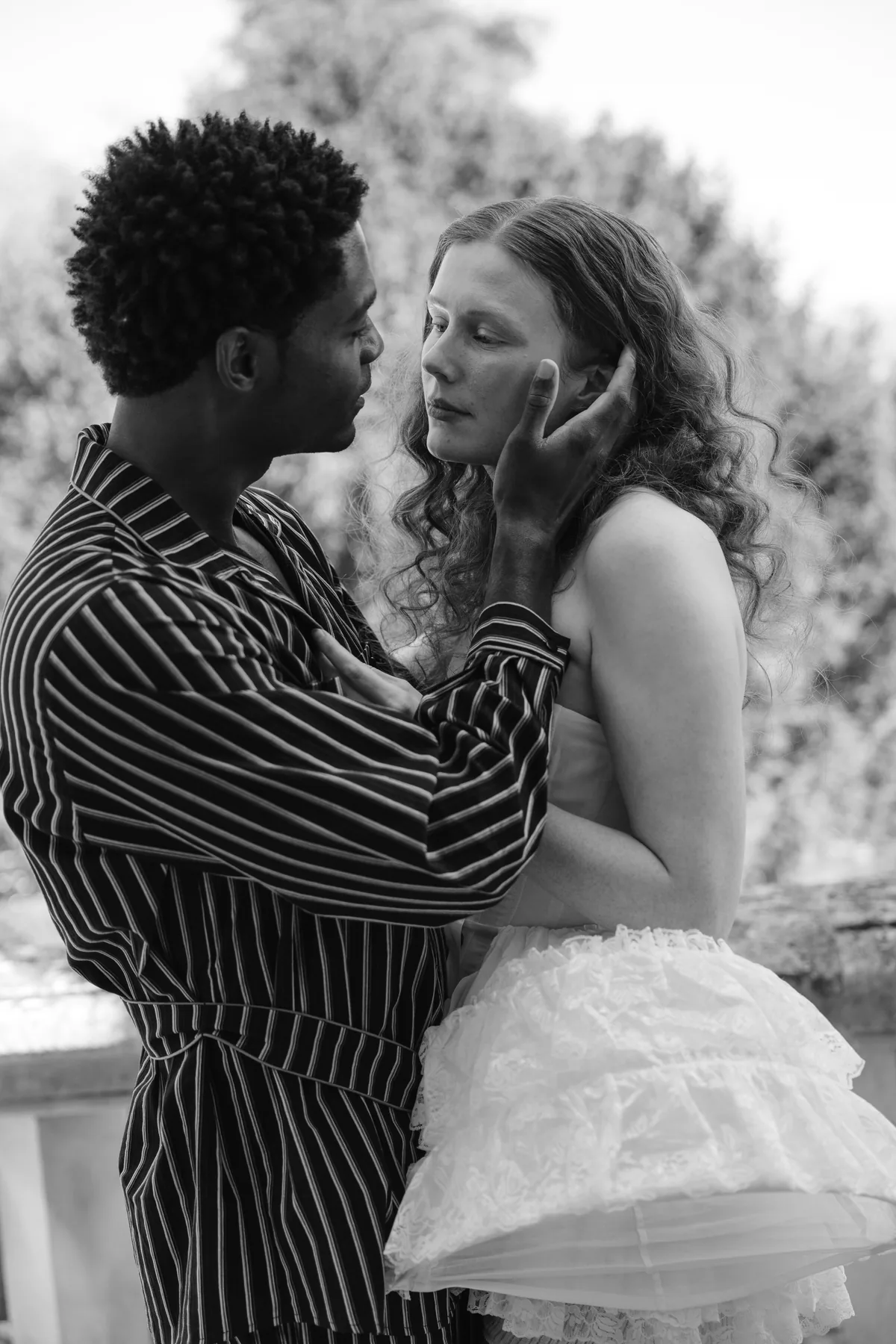
A clear understanding of identity makes later decisions easier. It prevents the design from becoming a collection of individually beautiful ideas without a relationship between them. A wedding can be aesthetically impressive and still feel anonymous. The objective is not simply to create something beautiful, but to create something recognisable as yours.
Choose a Destination for More Than Its Beauty
A destination may hold family history, represent a shared experience or offer the atmosphere a couple wants their guests to encounter. The strongest choice brings emotional and practical considerations together.
Consider access, accommodation across different budgets, the appropriate length of stay and how the destination feels during the intended season. Portugal, Italy, France and the English countryside each offer a distinct sense of place, but no destination is universally right. The question is which one supports the experience you genuinely want to create.

Understand the Venue Beyond the First Impression
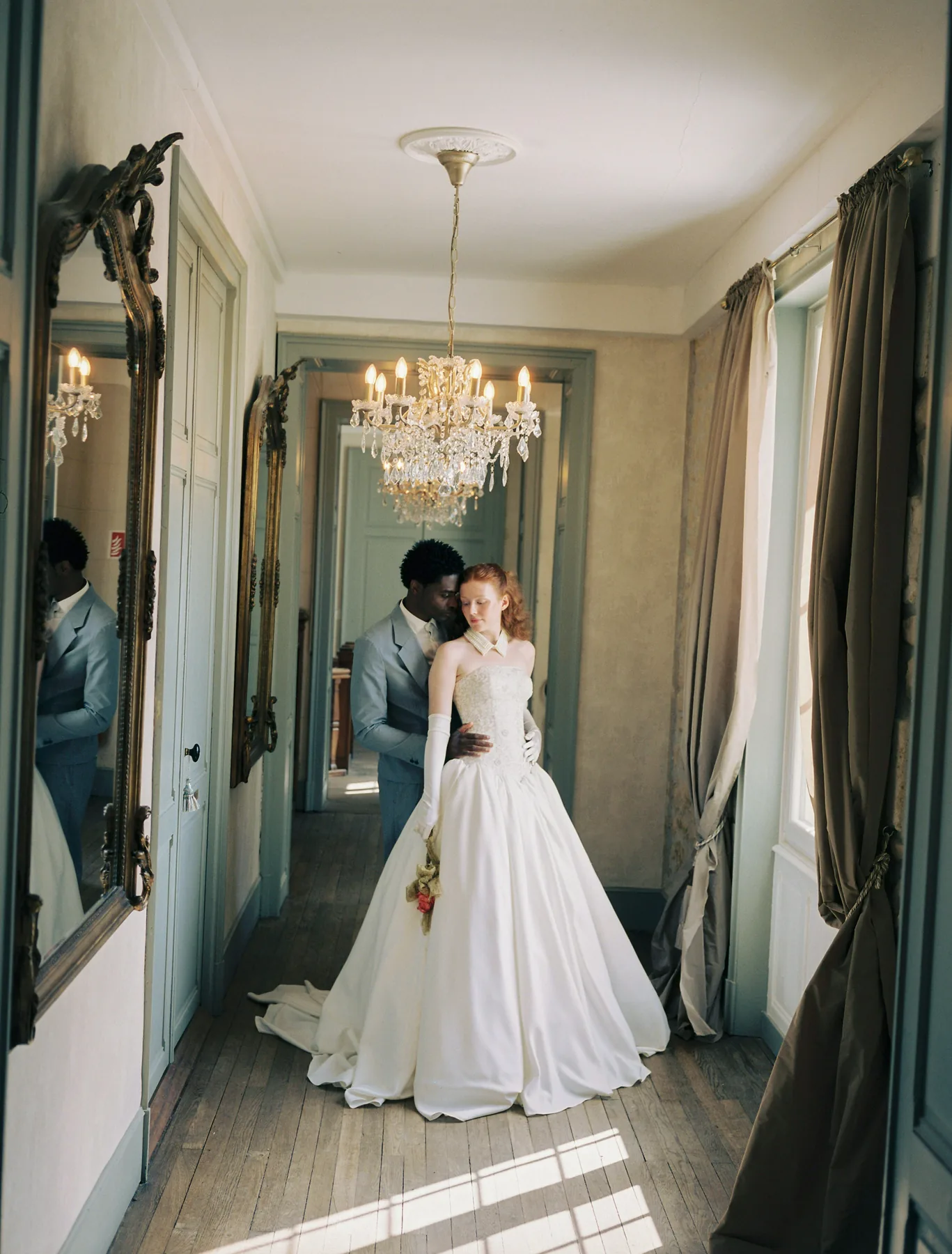
A venue viewing can be highly emotional, yet its most consequential aspects are not always visible on the first visit. Couples should understand exclusivity, timings, sound and installation restrictions, supplier access, power, lighting, kitchen infrastructure, included equipment, transport, accommodation conditions and the capacity and quality of the wet-weather alternative.
These details determine what is possible and how much it will cost. The right venue is not merely one that photographs beautifully. It is one whose possibilities and limitations align with the priorities of the celebration.
Consider the Complete Guest Journey
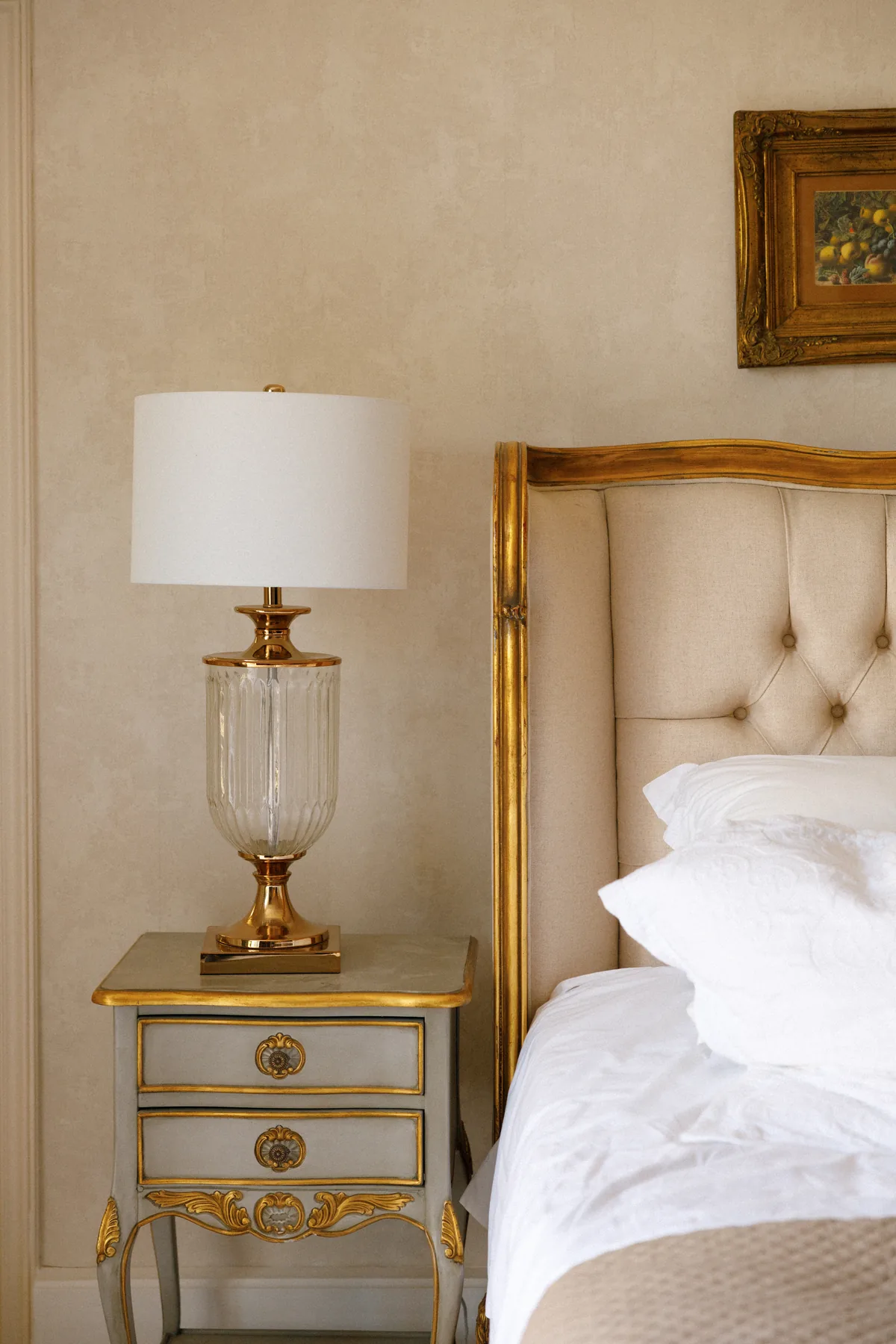
Guests experience a destination wedding through movement, timing, comfort and hospitality. Their journey begins before arrival, with clear information about travel, accommodation, transfers, dress codes and local conditions.
For a wedding weekend, every event should have a purpose. More is not always more generous: an overly full programme leaves little time to rest or appreciate the destination. A celebration feels effortless when guests understand where to be and what happens next, without seeing the work that made that ease possible.
Define the Creative Direction Before Selecting Details
Creative direction is the framework that gives every visual and experiential decision a relationship to the whole. It may be informed by the couple’s story, the architecture, a meaningful material, the landscape or a particular way of entertaining.
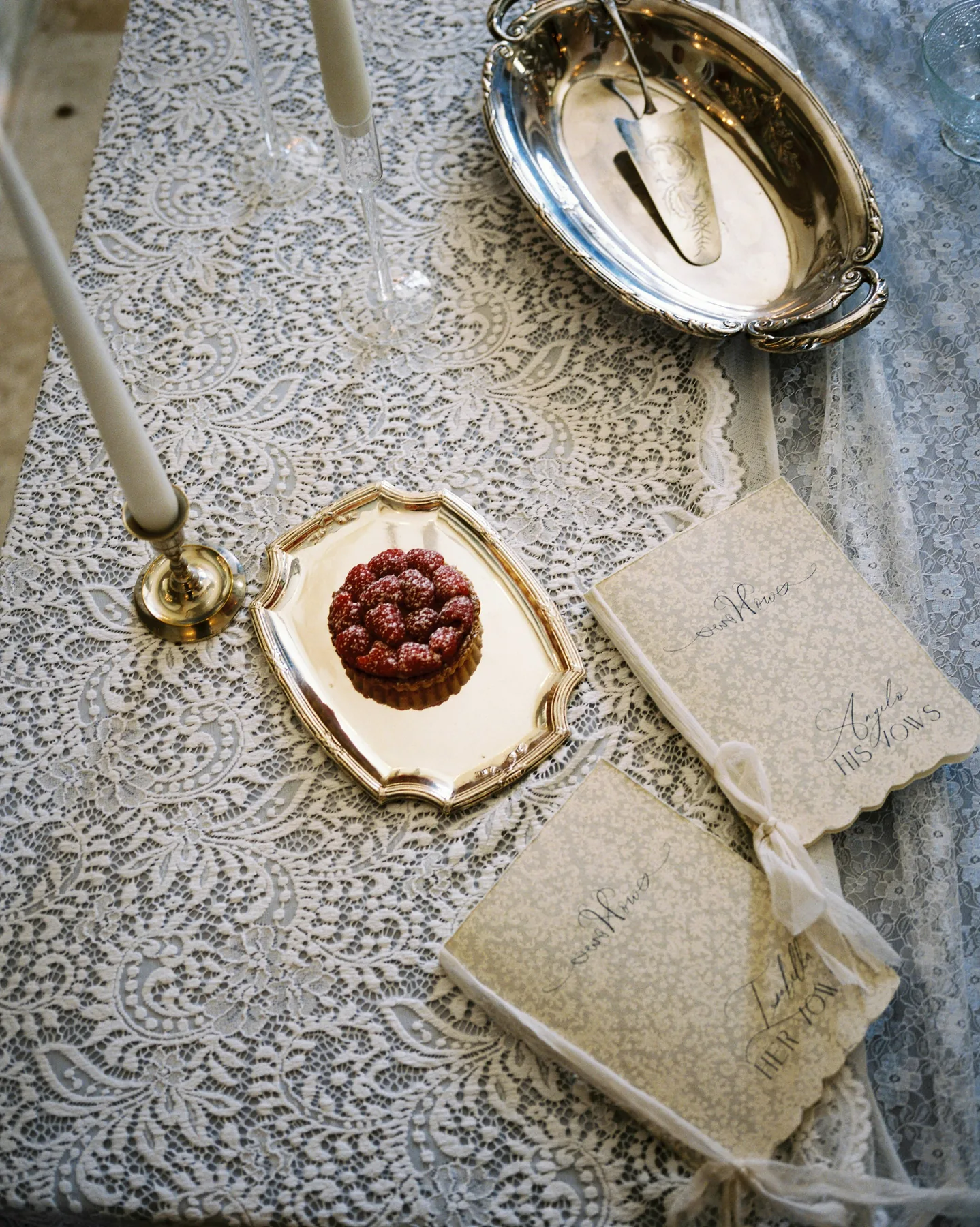
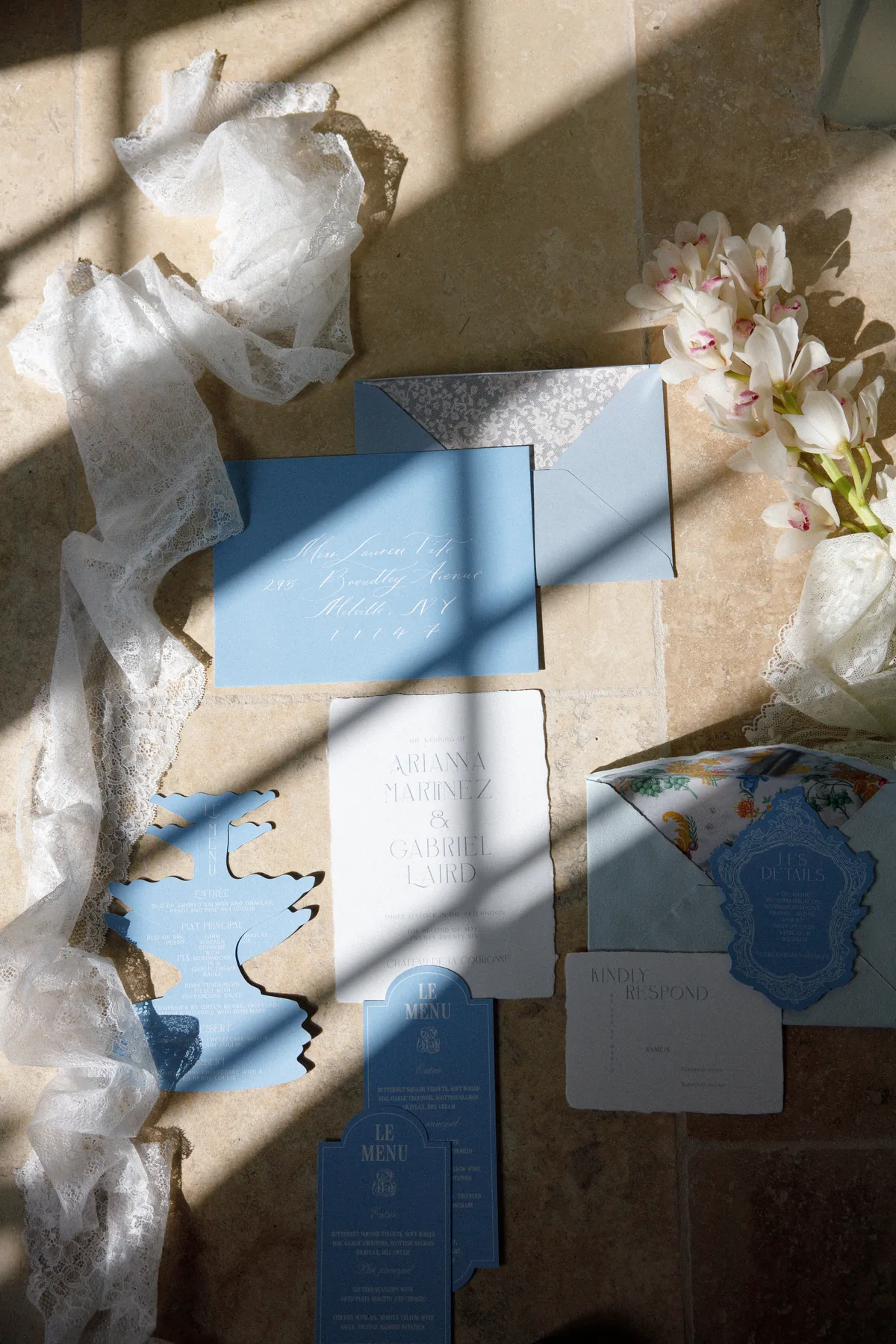
Once defined, it becomes a filter for florals, furniture, stationery, lighting and production. Cohesion does not require everything to match; it requires each element to understand its role. This clarity also protects the budget by distinguishing meaningful choices from attractive but unnecessary additions.
Choose Creative Partners for Compatibility
Reputation and recommendation can offer valuable reassurance, but they should not be the only reasons for bringing a creative partner into a celebration.
The most effective supplier team is not necessarily a collection of the most visible names. It is a carefully considered group whose work, communication and approach are compatible with the couple, the setting and the experience being created.
This is particularly important when choosing a photographer.

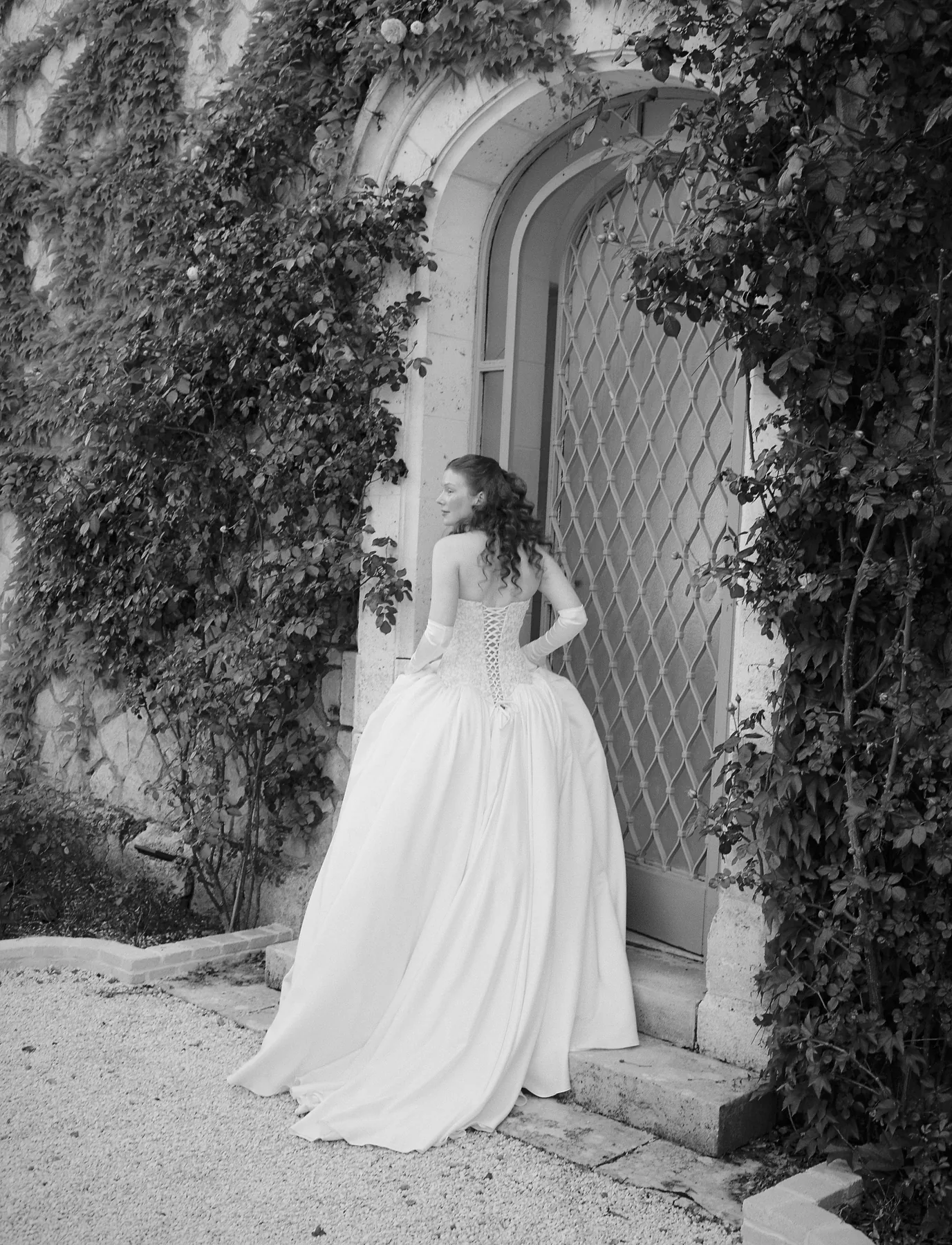
Photography should not be selected through popularity alone. A photographer interprets a wedding through a particular understanding of light, colour, movement and human connection. Their portfolio should feel compatible not only with the couple’s aesthetic preferences, but also with the destination, venue and atmosphere being developed.
Looking beyond a photographer’s strongest individual images and reviewing complete wedding galleries can reveal how consistently they work across changing light, interiors, portraits, ceremony, dinner and movement.
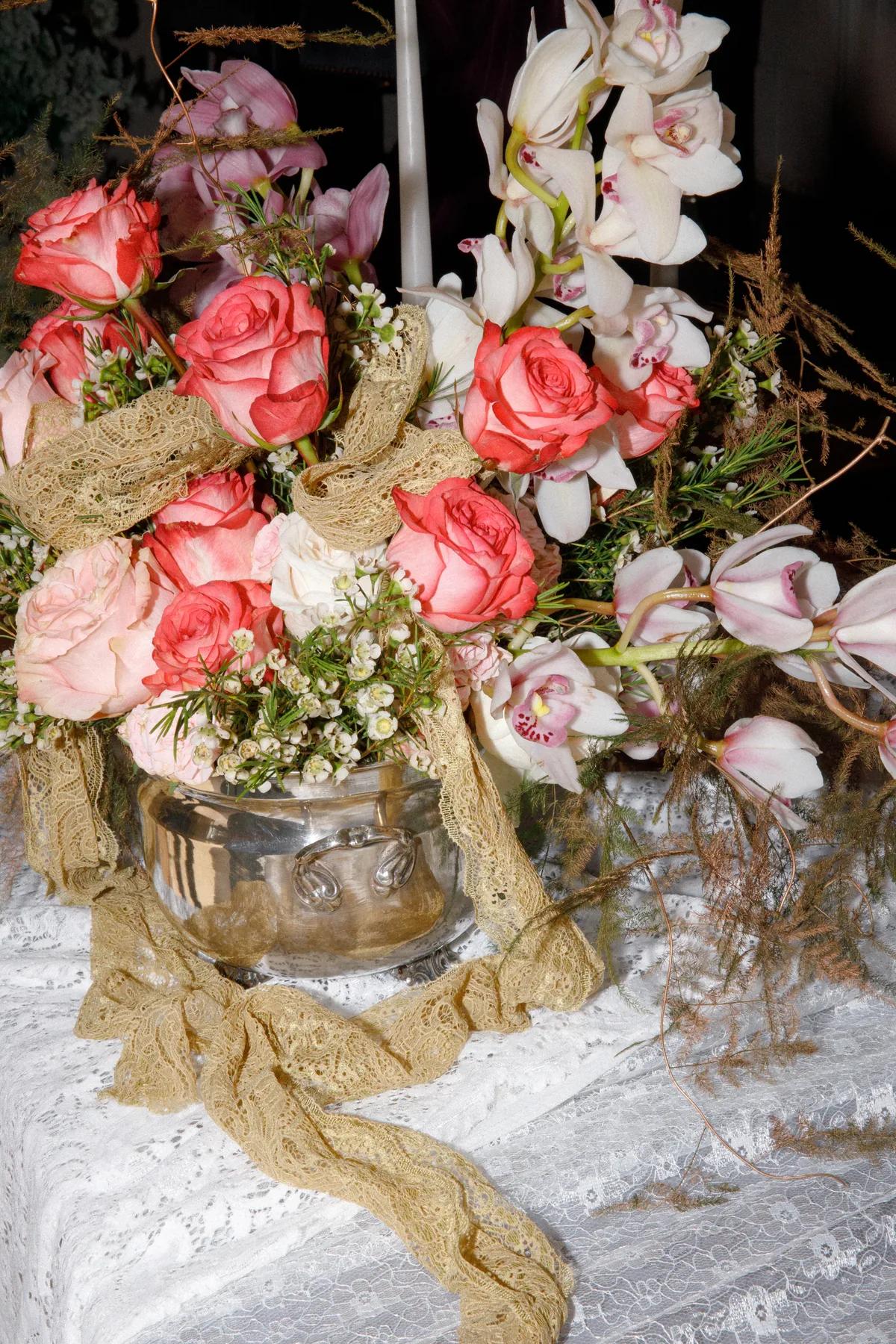
Within a fully planned celebration, the wider creative team should be curated with the same level of consideration. Florists, stationers, lighting designers and production specialists are selected and recommended according to the creative direction, practical requirements and investment of the wedding. The couple retain the final choice, while I ensure that every professional understands both their individual role and the wider vision.
Good collaboration does not require every professional to work in exactly the same way. It requires clarity: the freedom for each specialist to contribute their expertise within one coherent direction.
Build the Budget Around Priorities
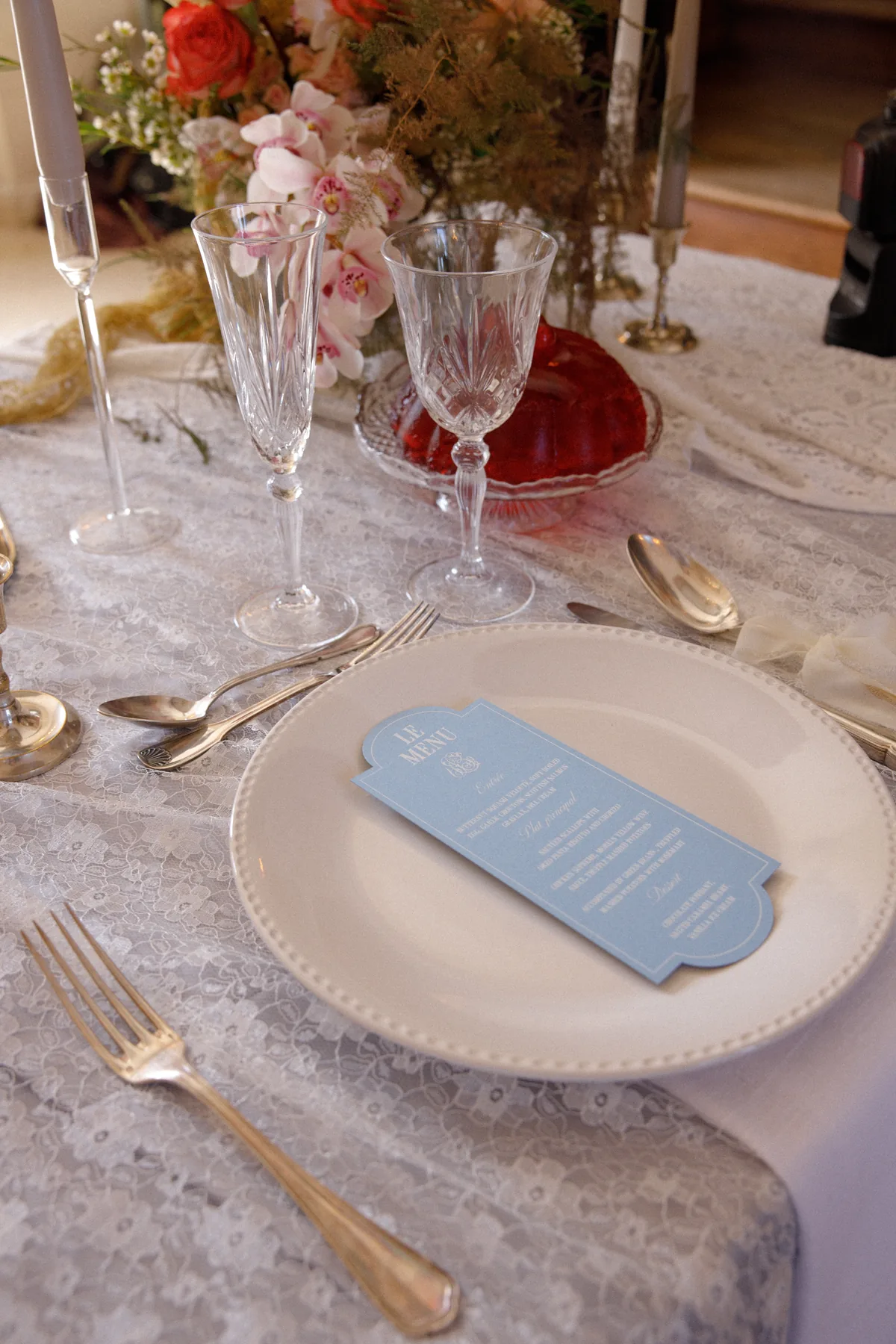
A wedding budget is not only a financial limit; it is a statement of priorities. The purpose of considered budget management is to understand which elements most strongly shape the experience and protect sufficient resources for them.
Look beyond initial quotations. Transport, installation, technical requirements, accommodation, staffing, taxes, delivery, collection and contingency can materially affect the final investment. A realistic budget should be developed before major commitments and reviewed throughout the process.
Understand What Full Planning Actually Involves
Full planning is not defined by a fixed number of meetings or a list of supplier recommendations. Its scope grows with the celebration itself: the number of events, venues, guests, contracts, logistical movements, design decisions and production requirements involved.
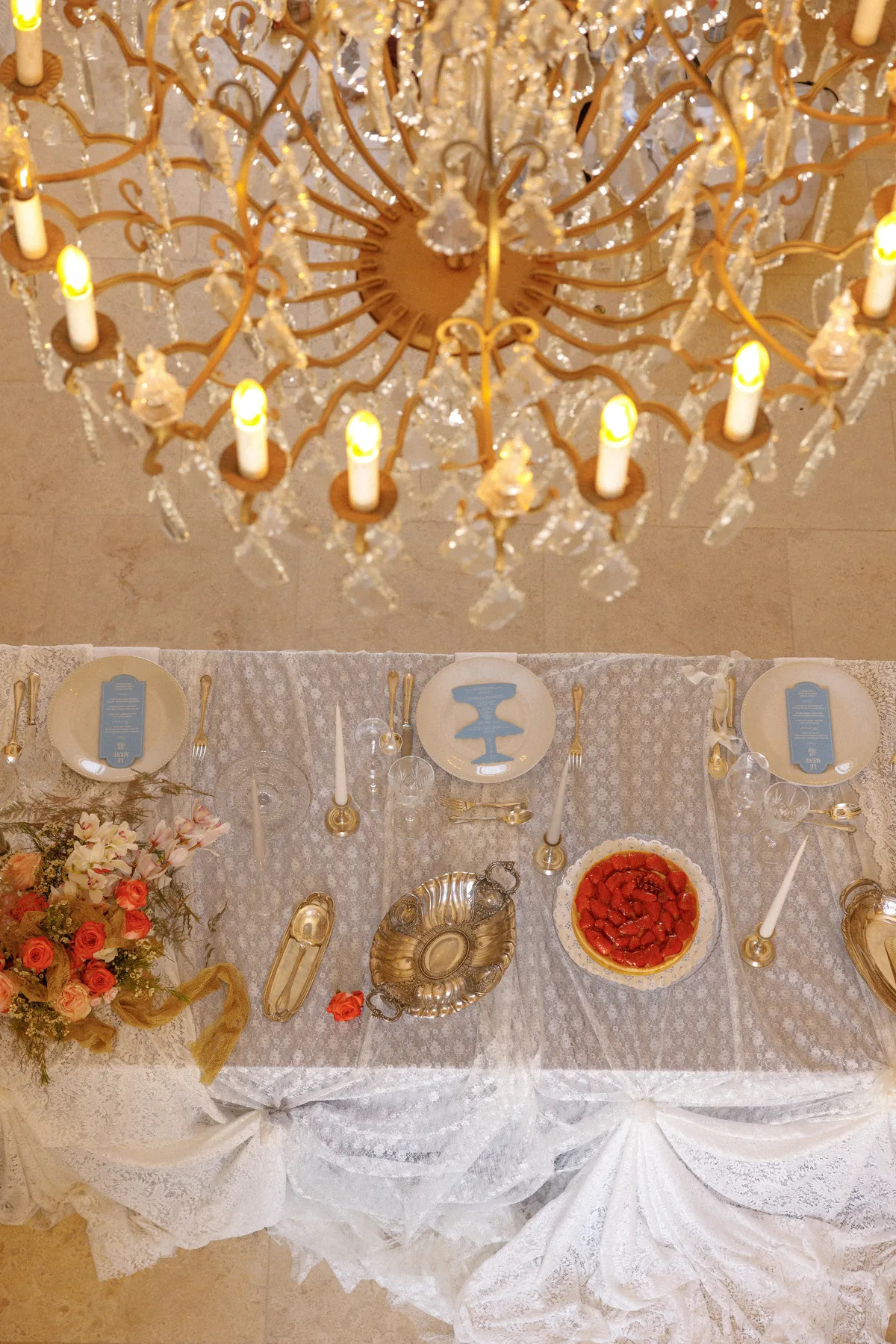
The value of planning lies equally in decisions guests never notice: the contract reviewed before it becomes an issue, the supplier brief clarified before production, the contingency prepared before the weather changes and the budget protected before a beautiful idea becomes an unnecessary expense.
A planning fee should therefore be understood in relation to the project scope, the responsibility assumed and the financial oversight required, not simply the number of scheduled calls or months before the wedding. When the celebration expands, so does the responsibility for managing it well.
Design for the Experience, Not Only the Photograph
I believe a wedding must work beyond the frame of a photograph. Beauty, service, comfort, movement and the couple’s presence must coexist. The most memorable celebrations do not ask guests simply to admire the design; they allow beauty and meaning to be encountered naturally.
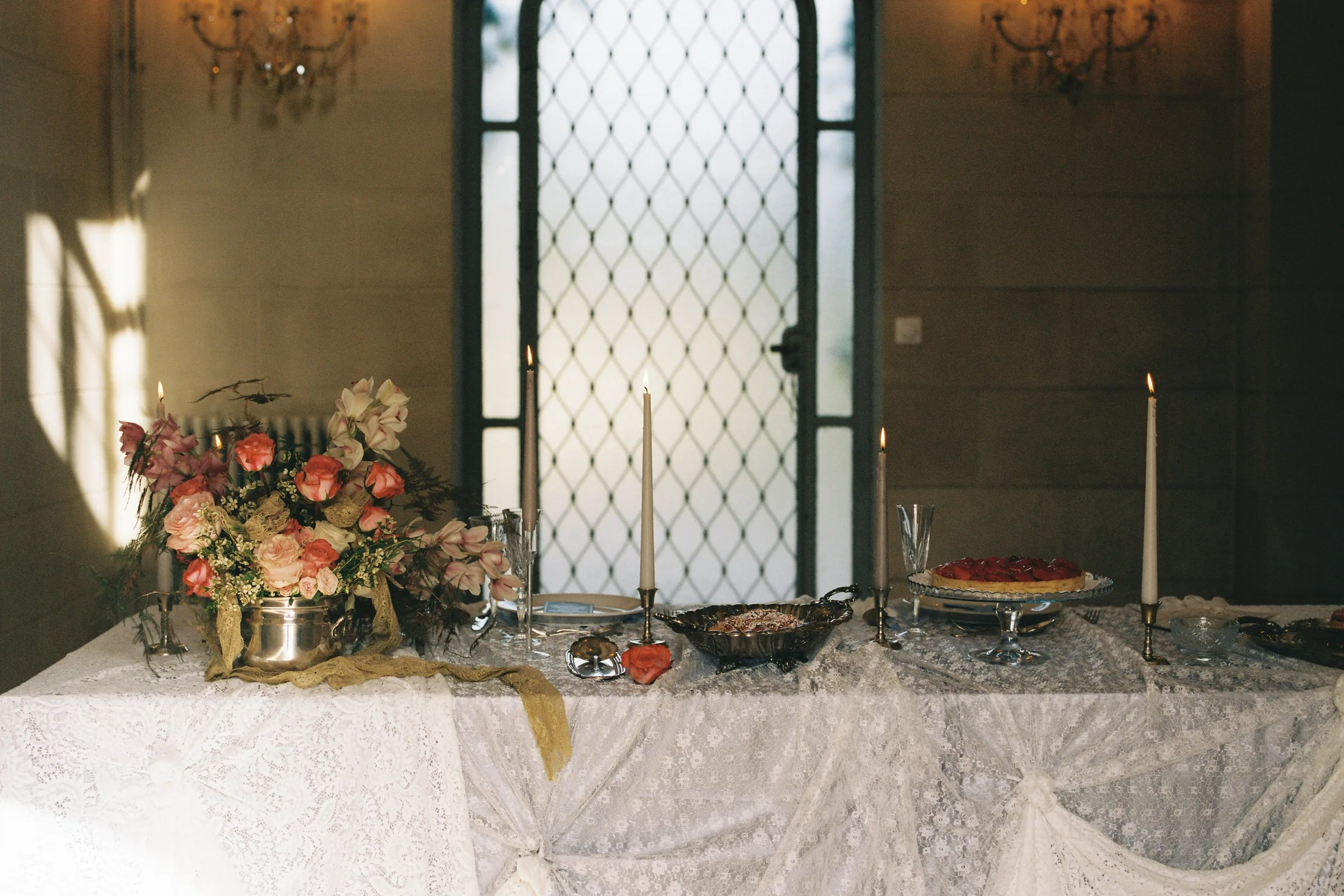
Protect the Experience from Avoidable Pressure
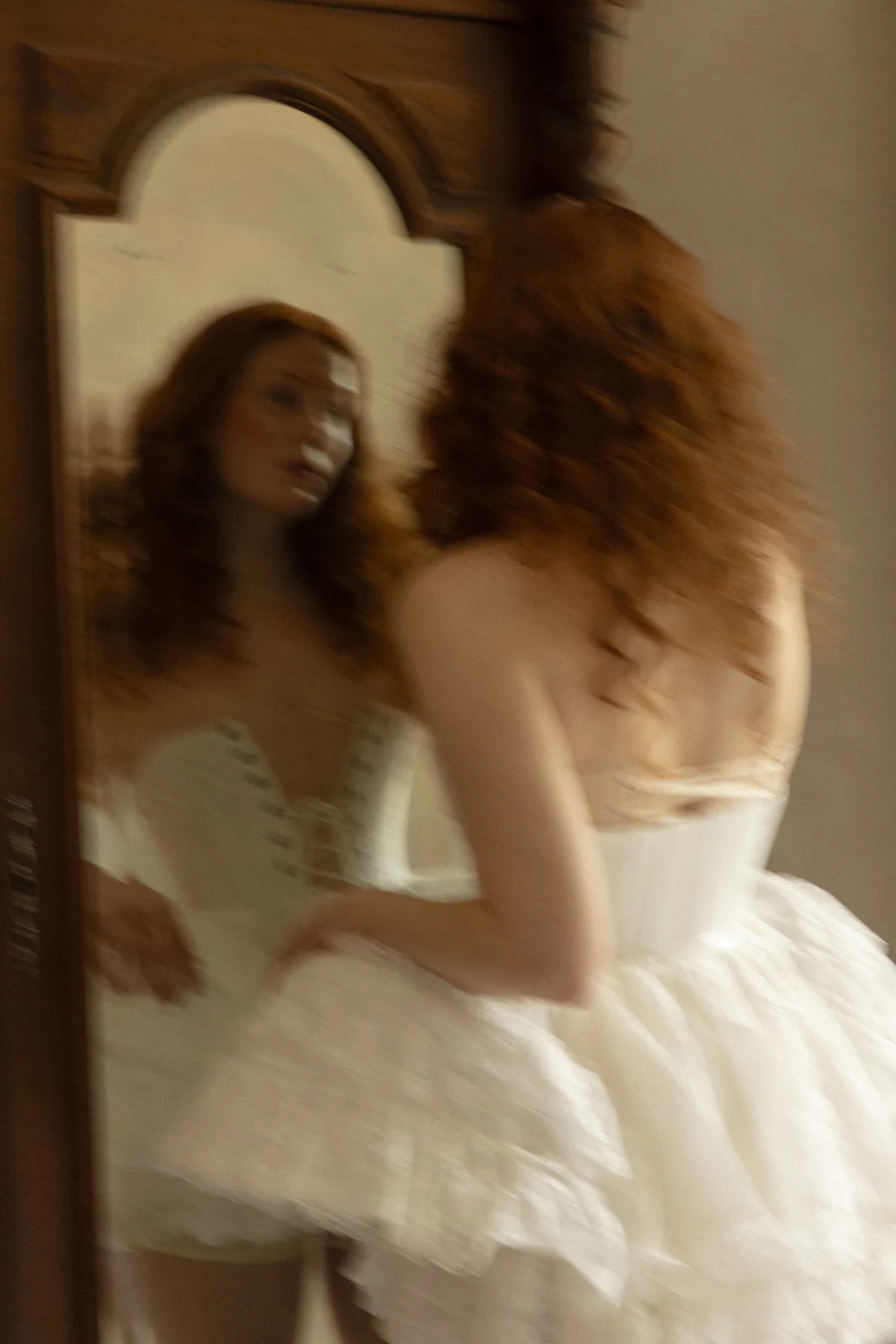
Good planning does not promise perfect control. It creates enough preparation for the celebration to remain calm when circumstances change. A plan B should protect atmosphere, guest comfort and practical function.
Space within a timeline is not wasted time. It allows guests to talk, permits delays to be absorbed and gives the couple freedom to remain present. Effortless celebrations are created by structure that does not demand attention.
The Decisions That Remain Invisible
When a destination wedding feels natural, guests may never recognise the decisions holding it together. They notice that they felt welcomed, that the setting belonged to the celebration and that every part arrived at the right moment.
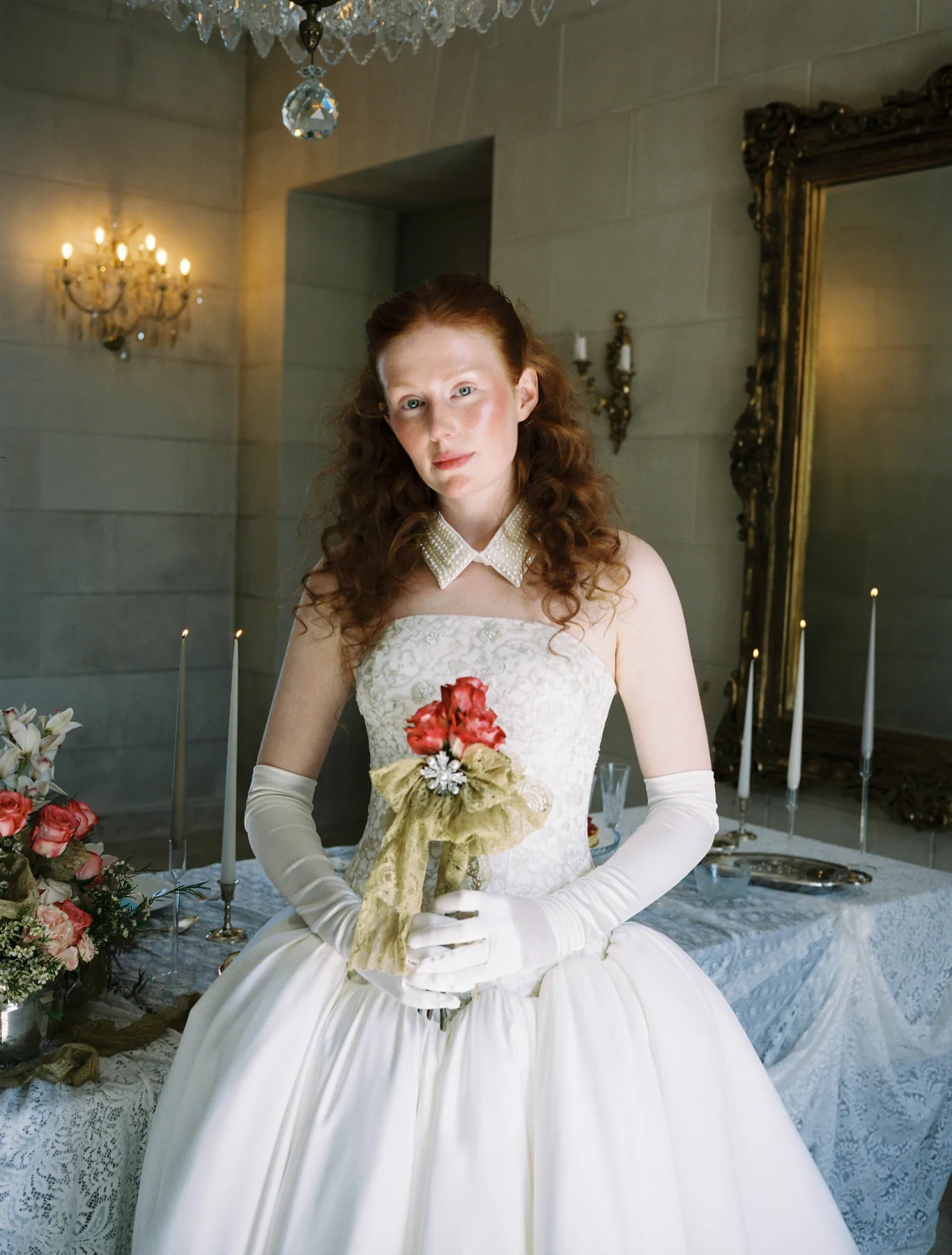
The most effortless celebrations are never accidental. They are the result of clarity, preparation and a thousand connected decisions made with care.
Planning a destination wedding in Portugal, the UK or elsewhere in Europe?
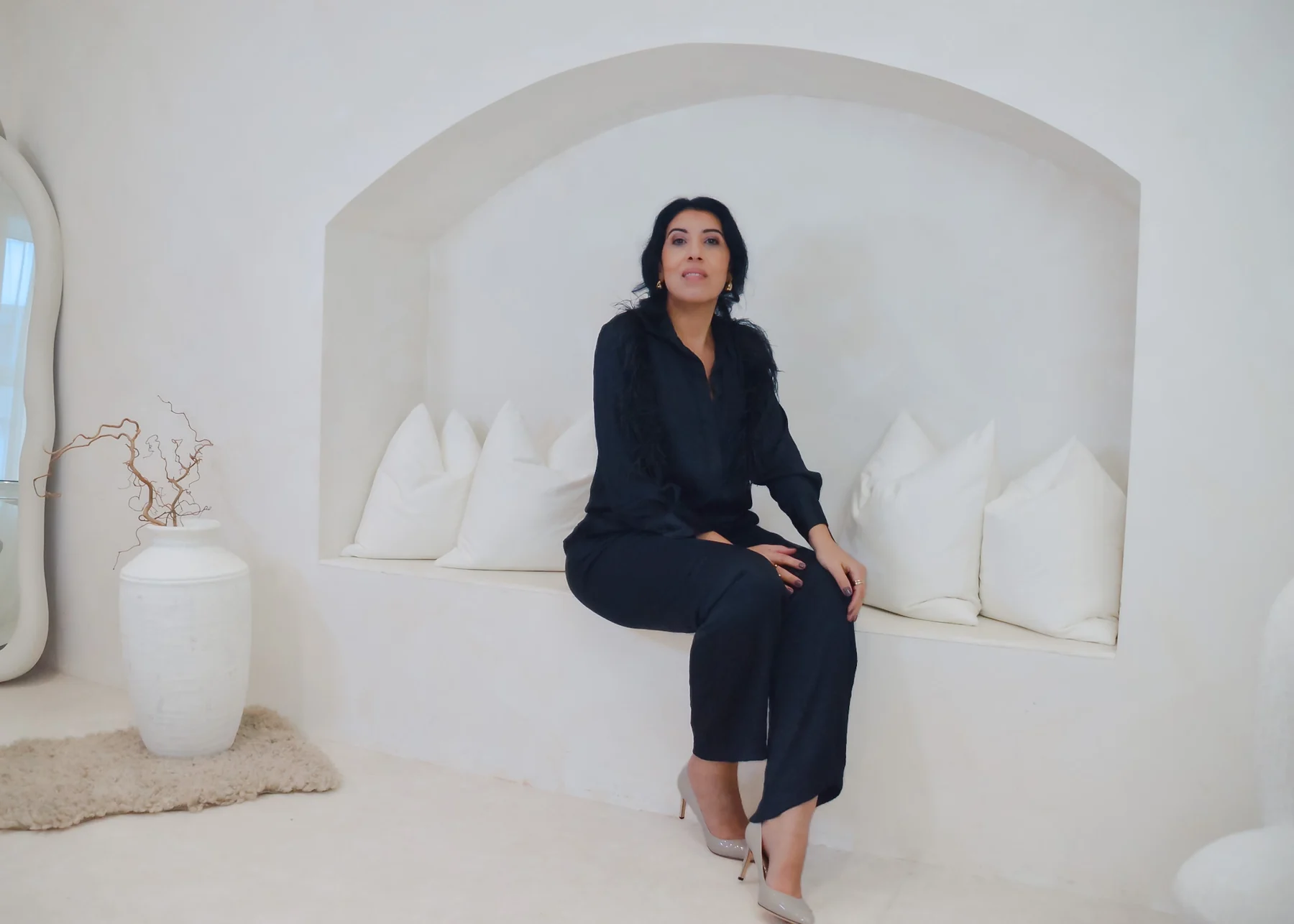
Through Marcia Fernandes & Co., I bring full planning, creative direction and wedding design together within one considered process, shaping celebrations that feel personal, coherent and deeply connected to their setting.
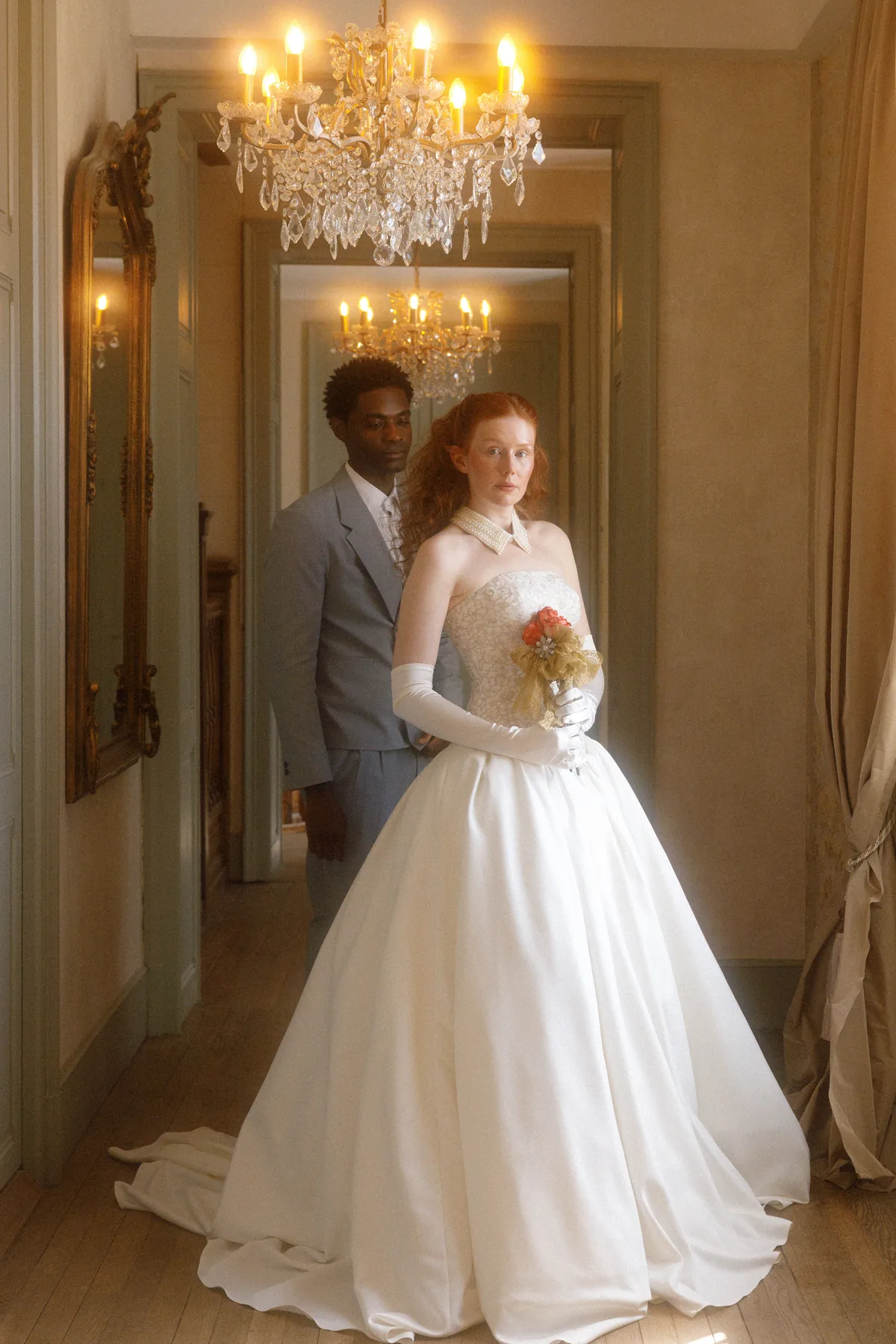
Editorial Workshop: Glowsperience · Creative Direction, Planning & Design: Marcia Fernandes & Co. · Photography: Lukas Korynta · Ksenia Zudinova · Venue: Château de la Couronne · Location: Bordeaux, France · Fashion Stylist: We Can Be Heroes · Floral Design: Heidi Gold · Stationery: Laura Elizabeth Patrick · Hair & Makeup: Alesia Solo · Dress Designer: Cagteks Bridal · Videography: Nastia Weddings De · Models: Kitty Valius & Rene Valius