When the View Becomes Part of the Design
At a destination such as Lake Garda, the view is one of the most powerful elements of the experience. It influences the first impression of the venue, the atmosphere of the day and the way guests understand where they are.
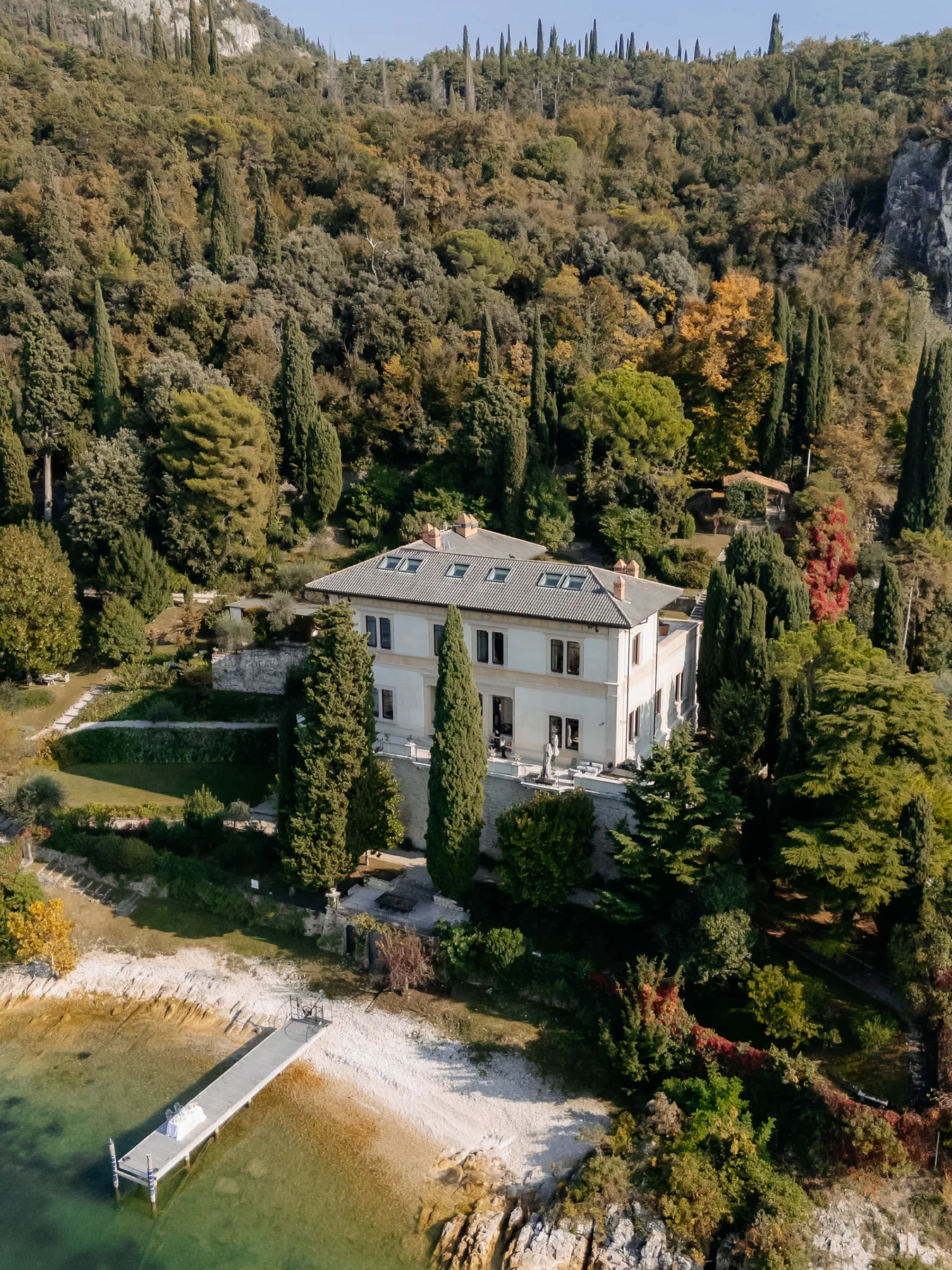
Planned, creatively directed and designed by Marcia Fernandes & Co., this editorial began with a simple intention: to allow Villa Caratti and the lake to remain central.
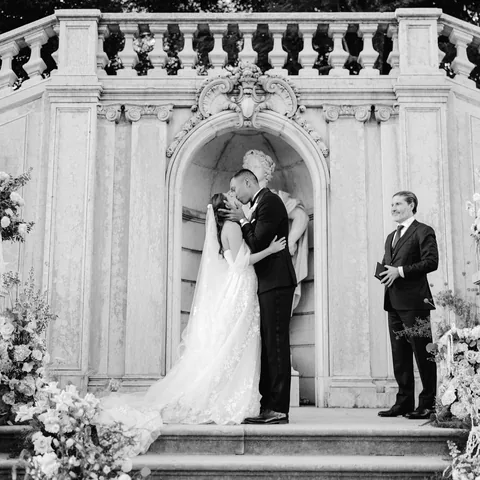
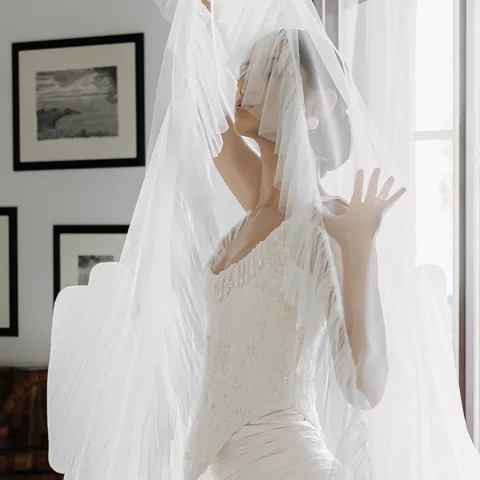
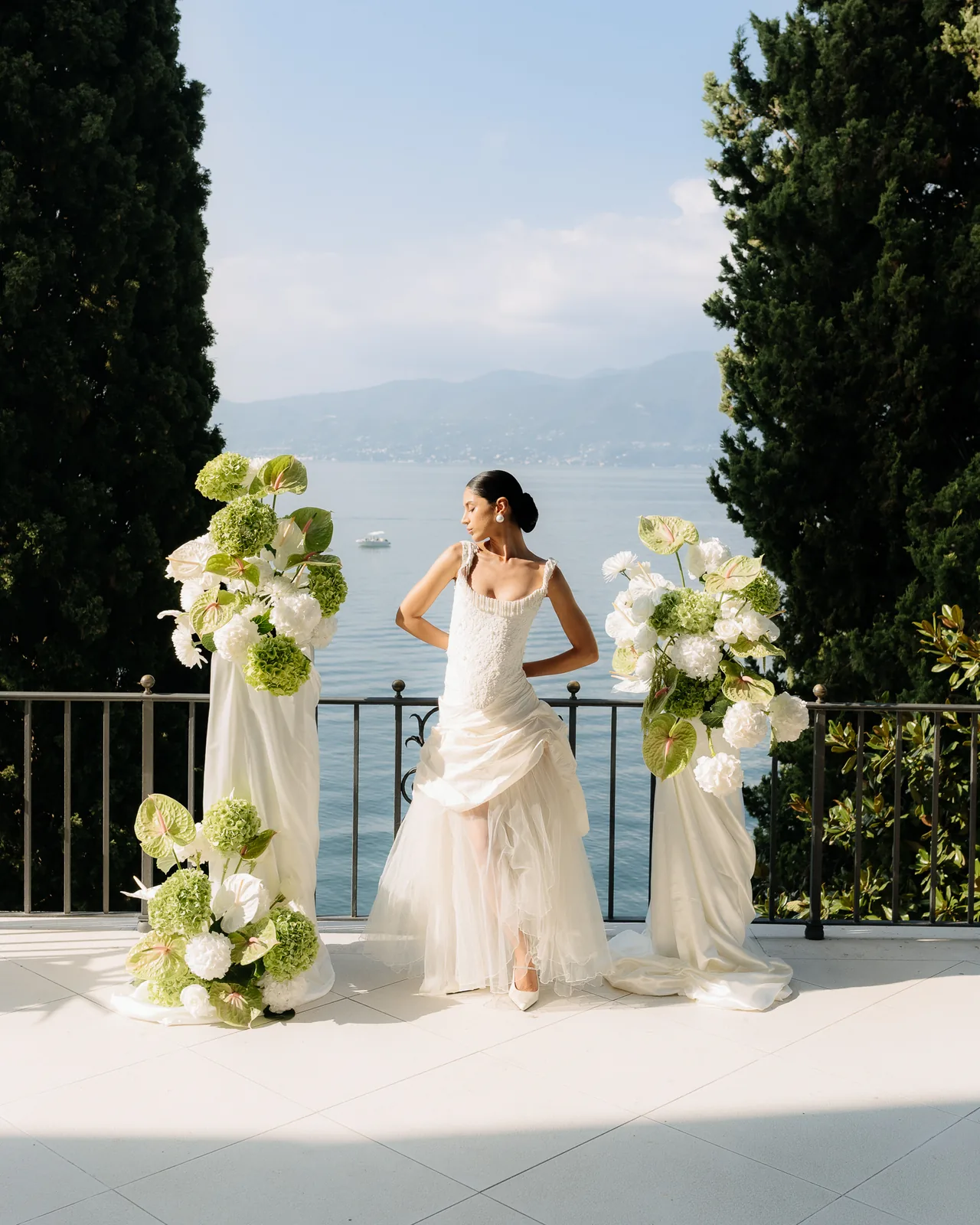
Sightlines informed the tablescape, the bridal compositions and the way the architecture framed the landscape. The design introduced its own identity, but it never asked the setting to recede.
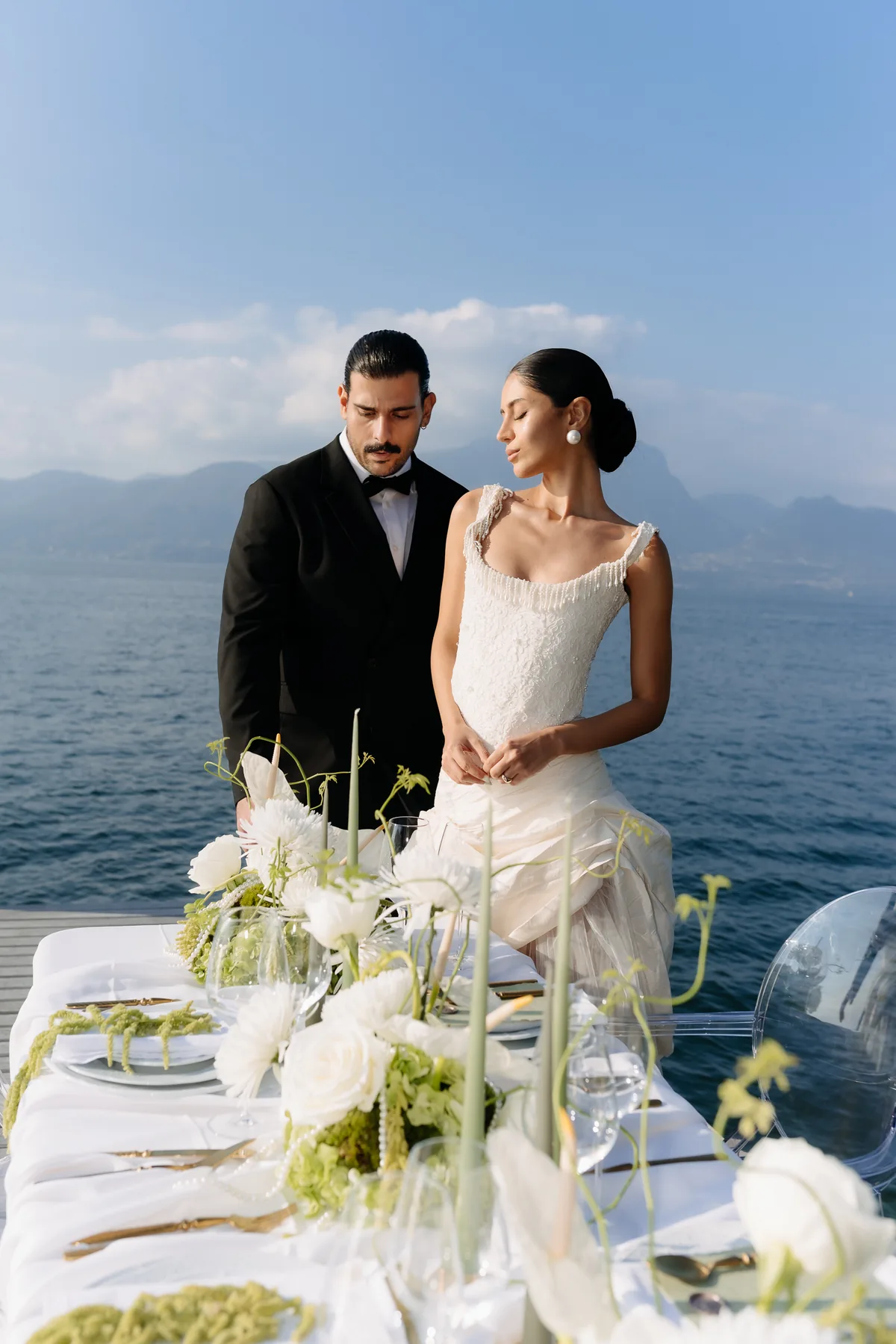
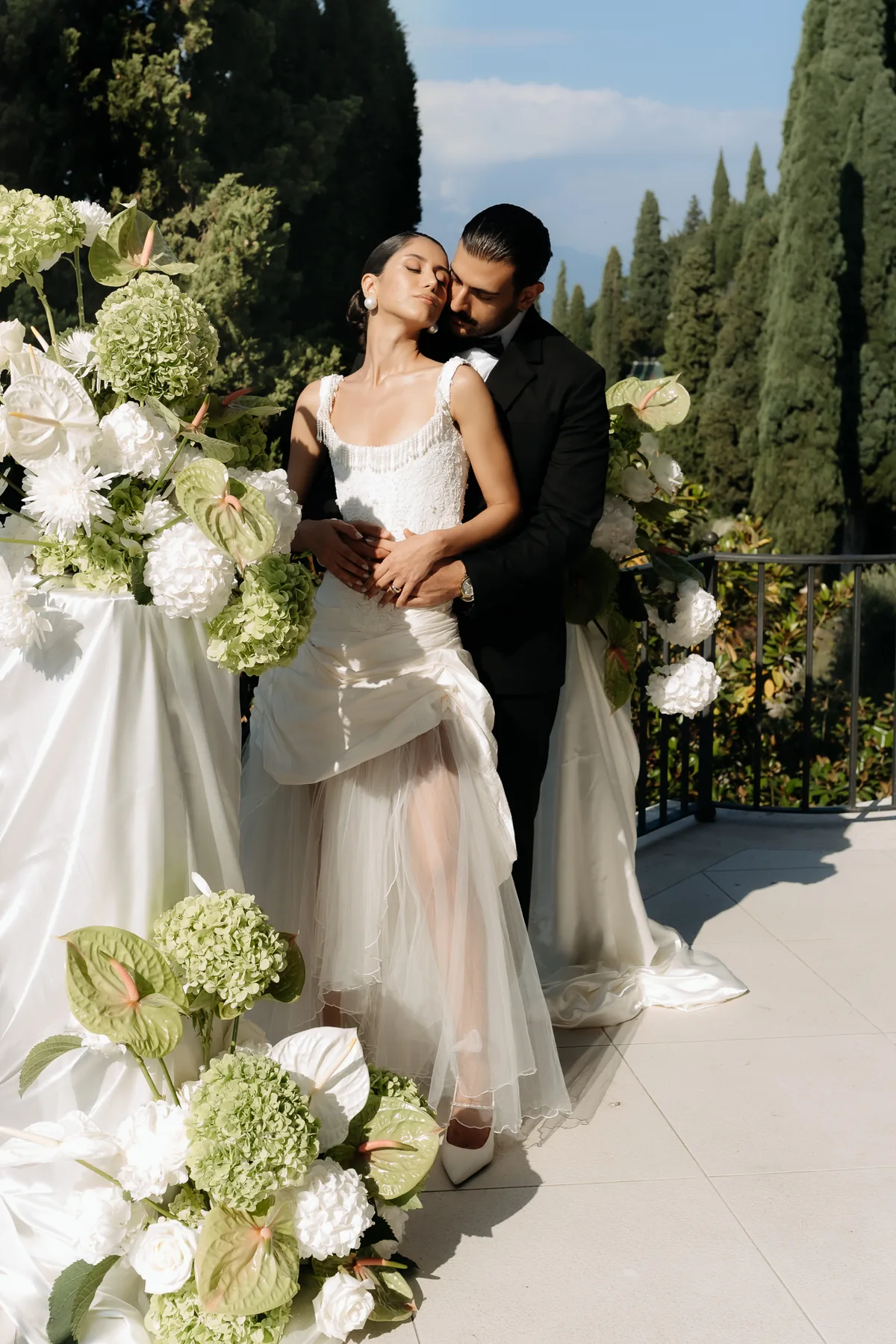
A remarkable view should shape the design, not disappear behind it.
Reading the Venue Beyond the View
A beautiful view may be the first reason a couple is drawn to a venue, but it cannot be the only consideration. The experience also depends on how the property works: where guests arrive, how they move between spaces, when the sun reaches each area and what happens if the weather changes.
Villa Caratti offered two distinct qualities. Its historic interiors created intimacy and architectural depth, while the lake introduced openness, distance and changing light. The creative direction needed to connect these environments without making them feel identical.

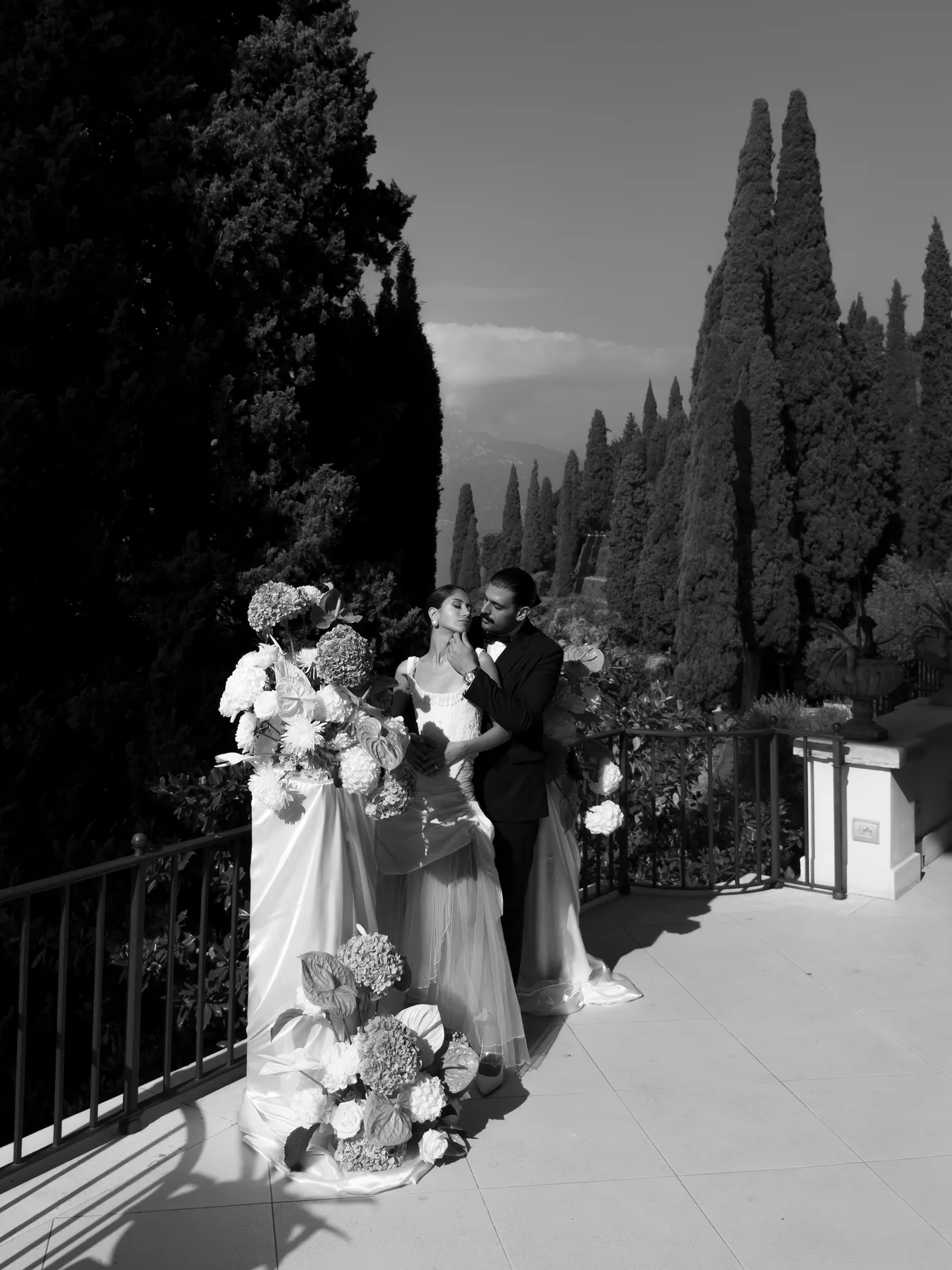
This is an important distinction when choosing a destination venue. The strongest setting is not simply the one with the most impressive outlook. It is the one that can support the full rhythm of the celebration while preserving the qualities that made it compelling in the first place.
Creating Continuity Between Interior and Exterior
Continuity does not require repeating the same arrangement in every space. It comes from a consistent understanding of material, proportion and atmosphere.
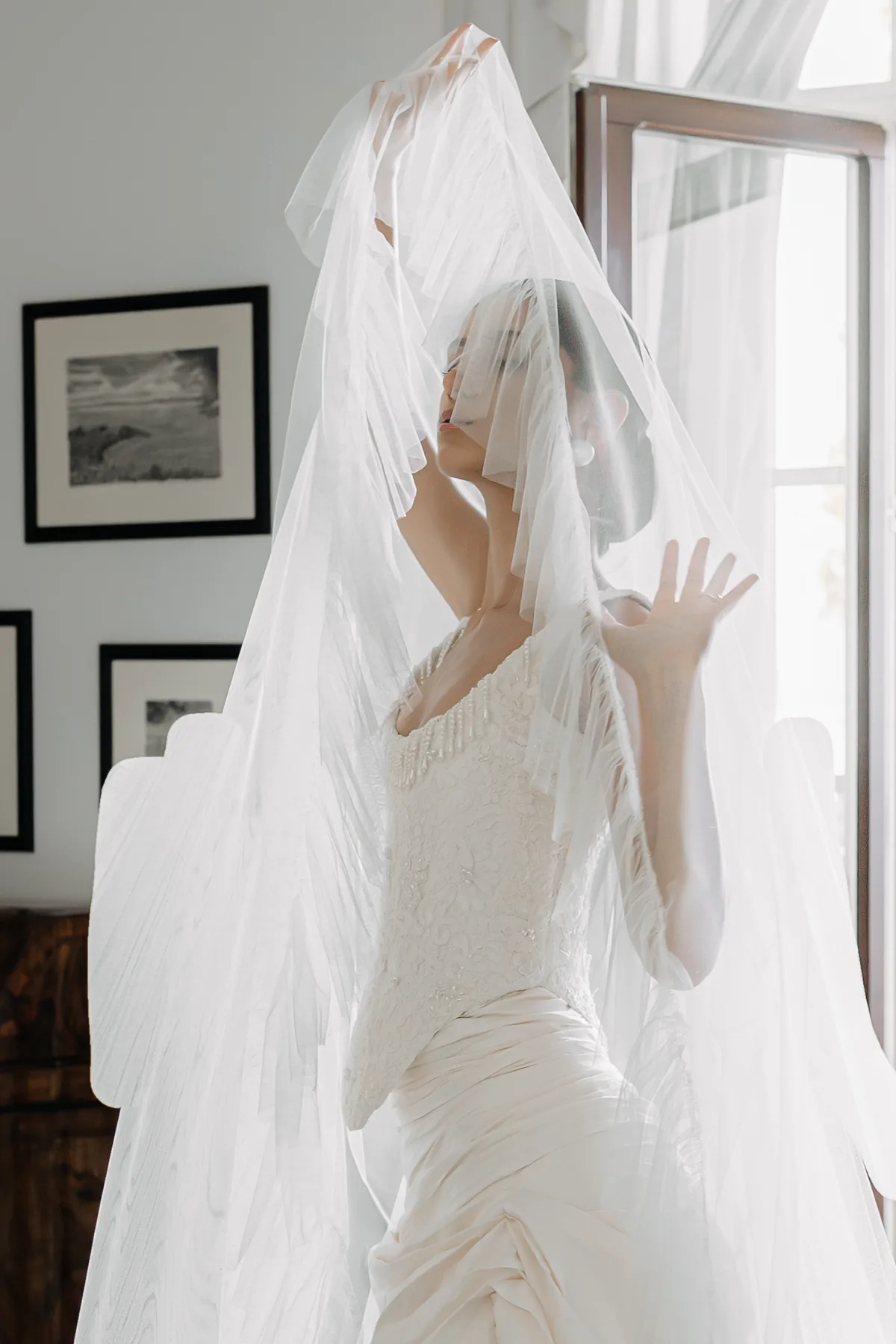
Within the villa, historic surfaces and enclosed rooms brought a sense of formality. Outside, the scale of the lake called for greater visual clarity. A restrained palette and carefully controlled proportions created a relationship between the two, while allowing each setting to retain its character.
For a wedding that moves between interiors and gardens, this balance helps the day feel connected. Guests can experience a change in mood without feeling that they have entered an entirely different visual story.
Interpreting Italian Romance Personally
An Italian wedding can easily become defined by familiar symbols. Yet a destination feels most convincing when the design responds to the specific place rather than to a general idea of the country.
This editorial did not attempt to reproduce an idealised version of Italy. Its sense of romance came from the relationship between the villa, the water, the light and the movement within the compositions.
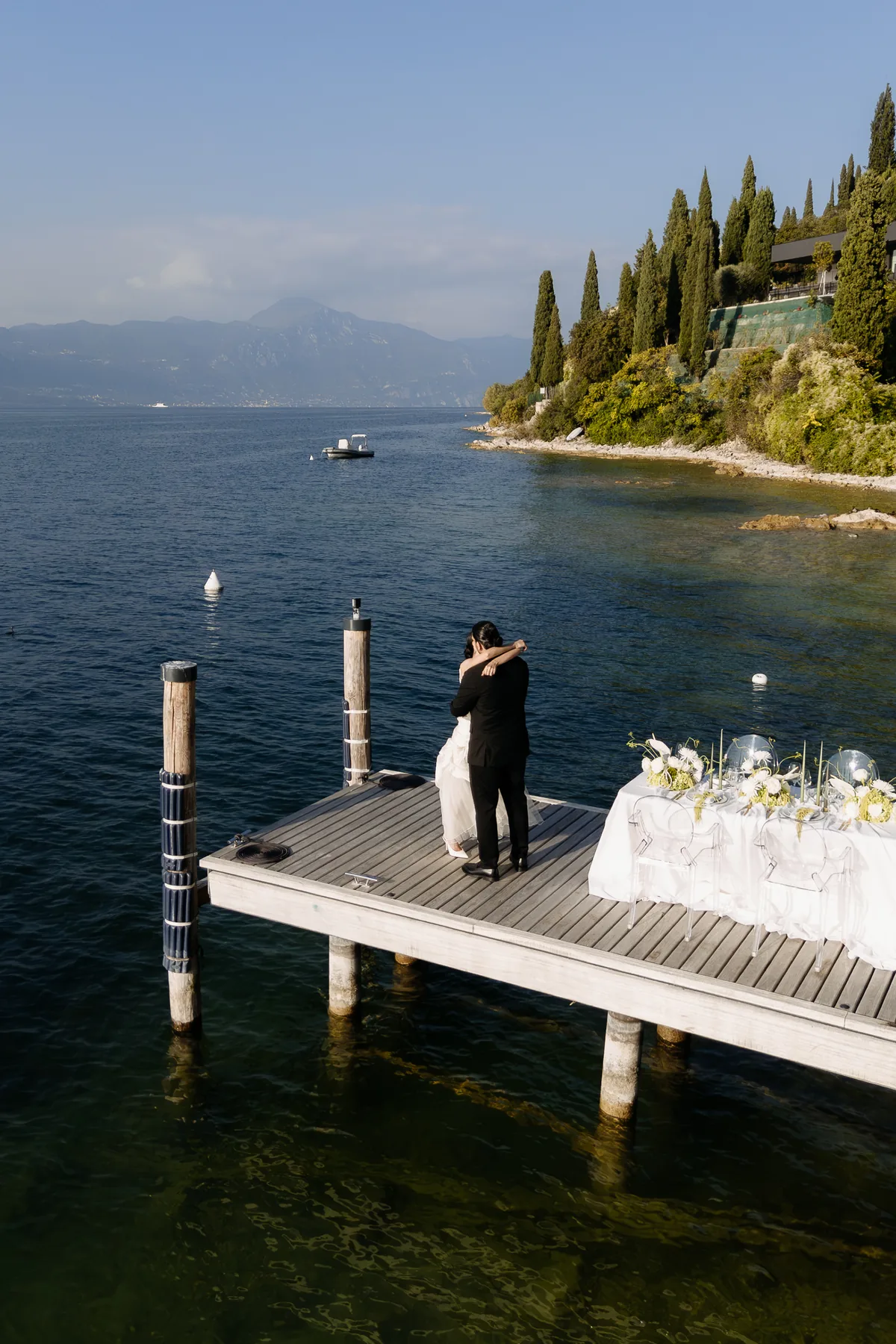
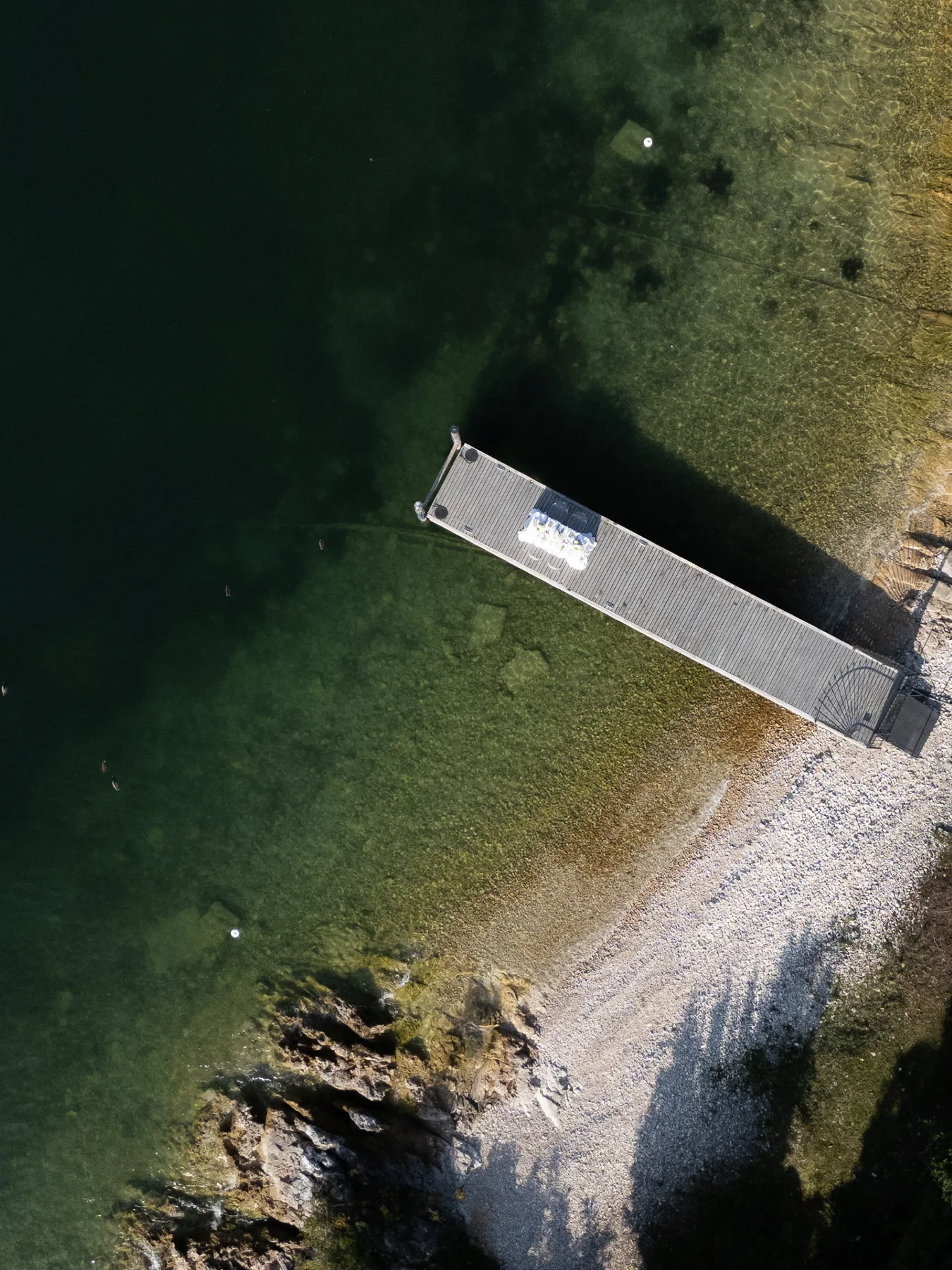
For couples, this creates space for a more personal interpretation. Italy may be meaningful because of family, travel, food, architecture or simply the way life feels when you are there. Creative direction can begin with that connection and translate it into an experience without relying on obvious references.
Protecting Sightlines Through the Tablescape
When the landscape is central to a venue, the height and density of the tablescape become practical as well as aesthetic decisions.
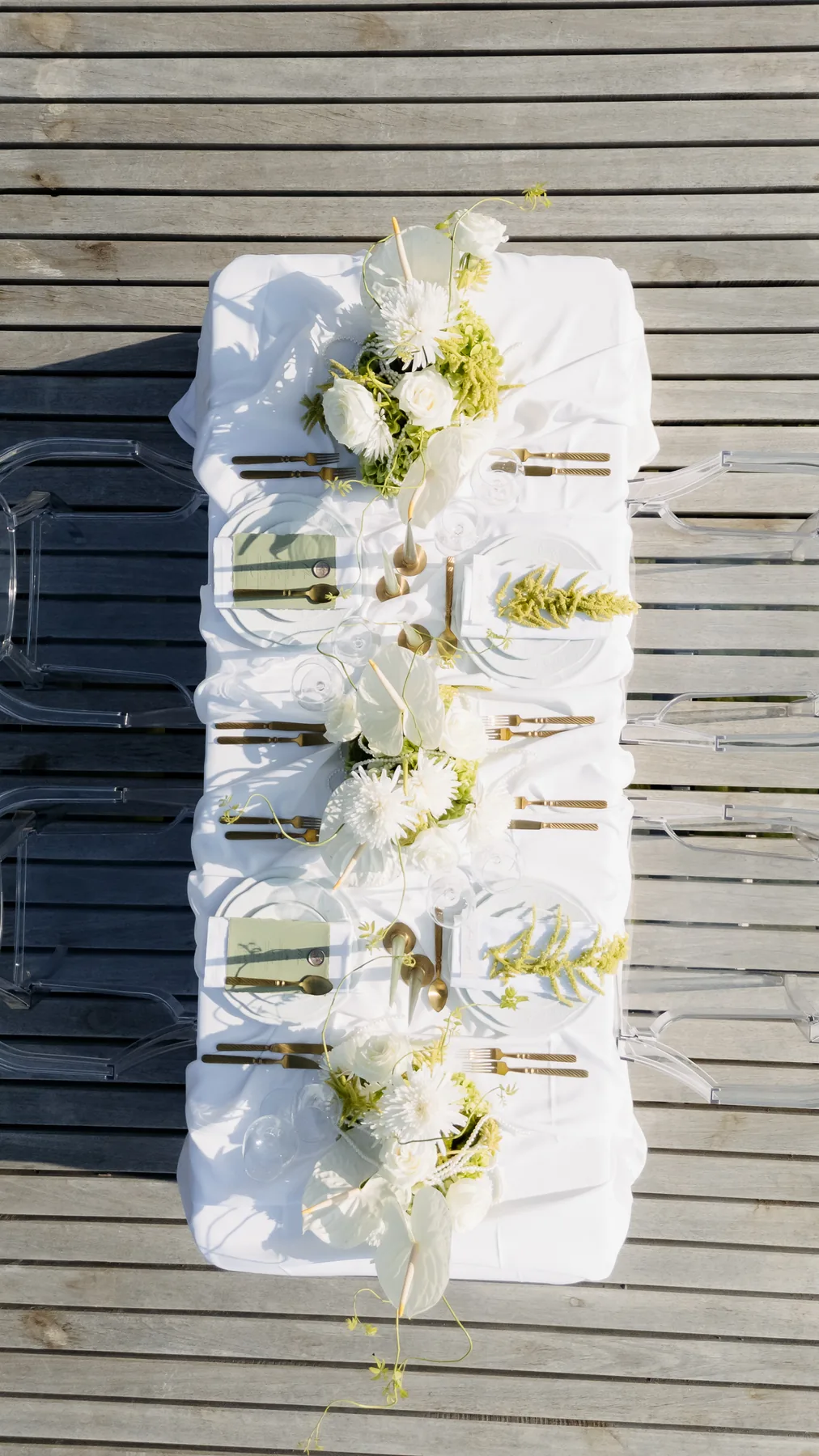
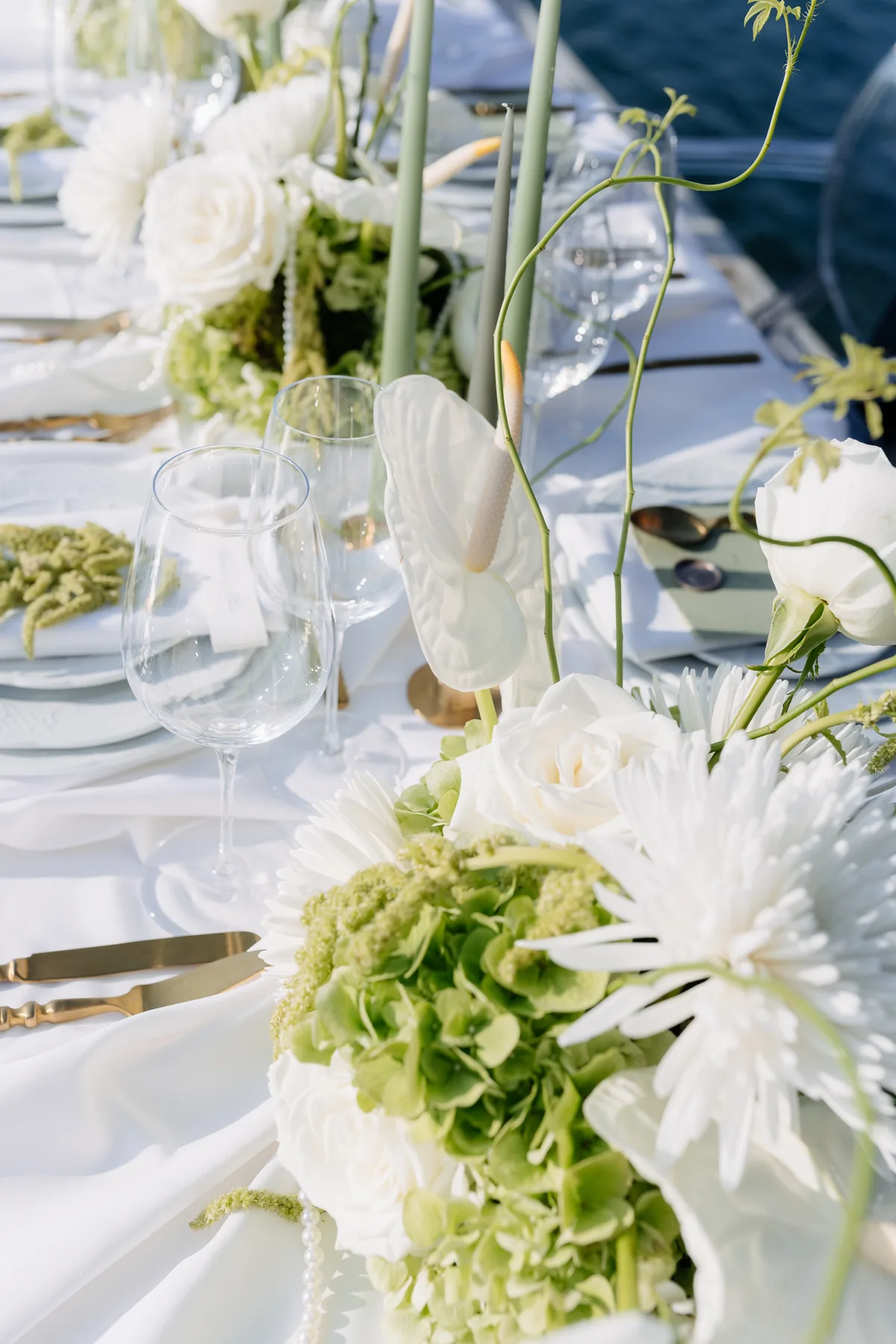
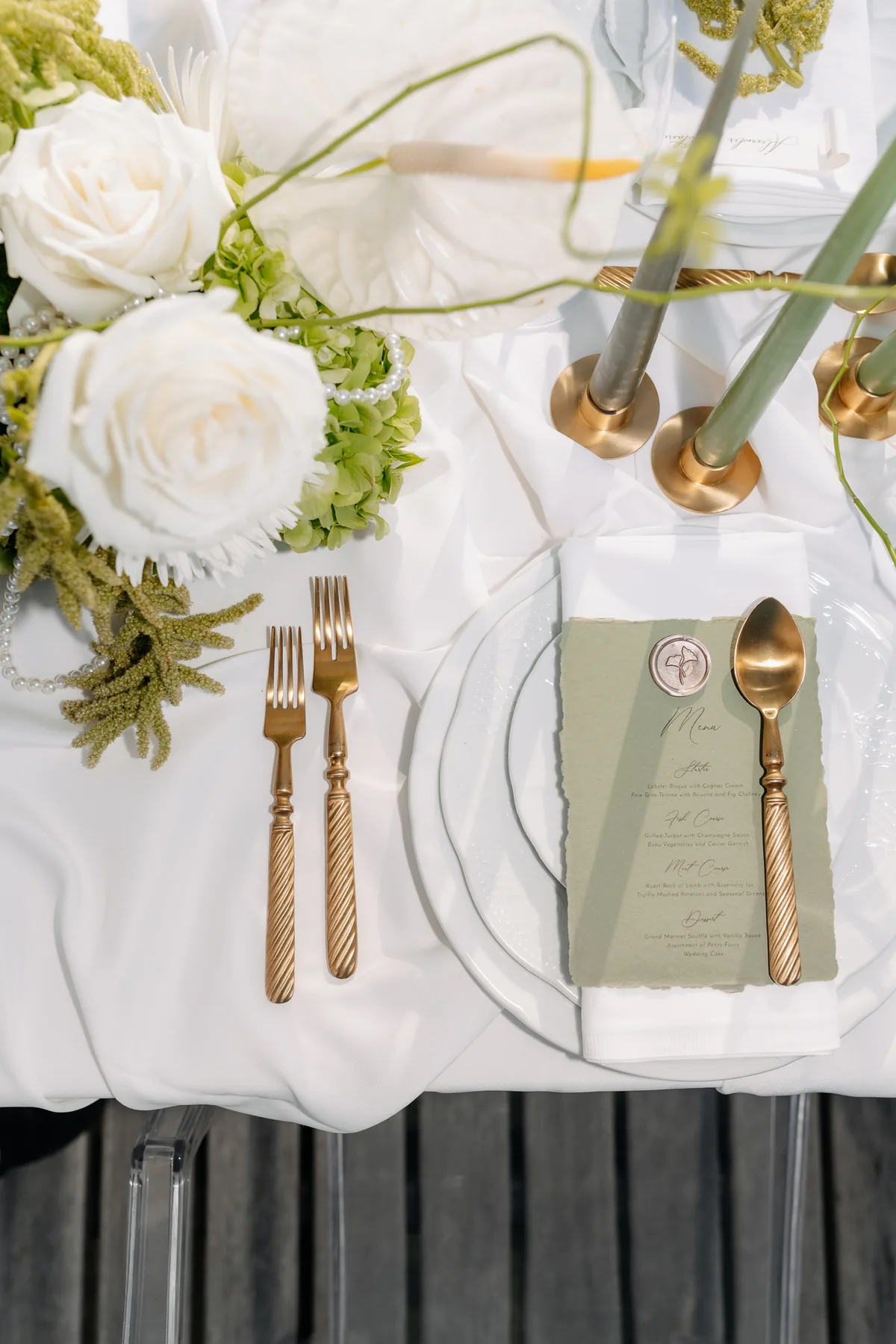
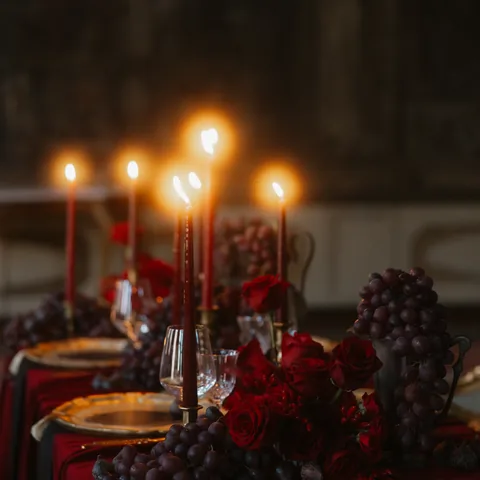
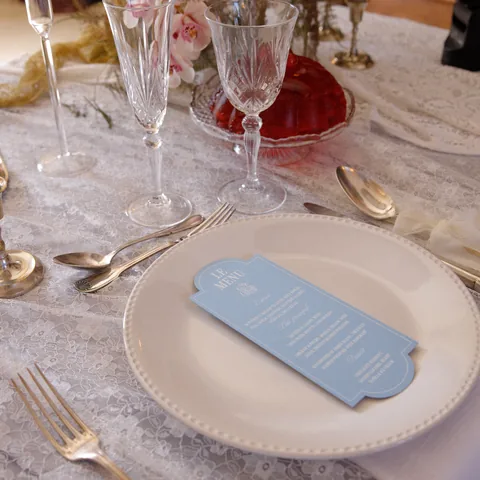
Spacing and proportion allowed the table to feel complete while protecting views across it and towards the lake. Decorative elements created rhythm, but they did not interrupt conversation or separate guests from the setting.
Restraint here served a clear purpose. It preserved connection: between guests, between the table and the architecture, and between the celebration and the view beyond it.
Restraint is most effective when it improves both the composition and the experience.
Allowing Natural Light to Set the Rhythm
Light reflected from the lake changes throughout the day. It affects the appearance of colour and material, the comfort of guests and the atmosphere of each part of the celebration.
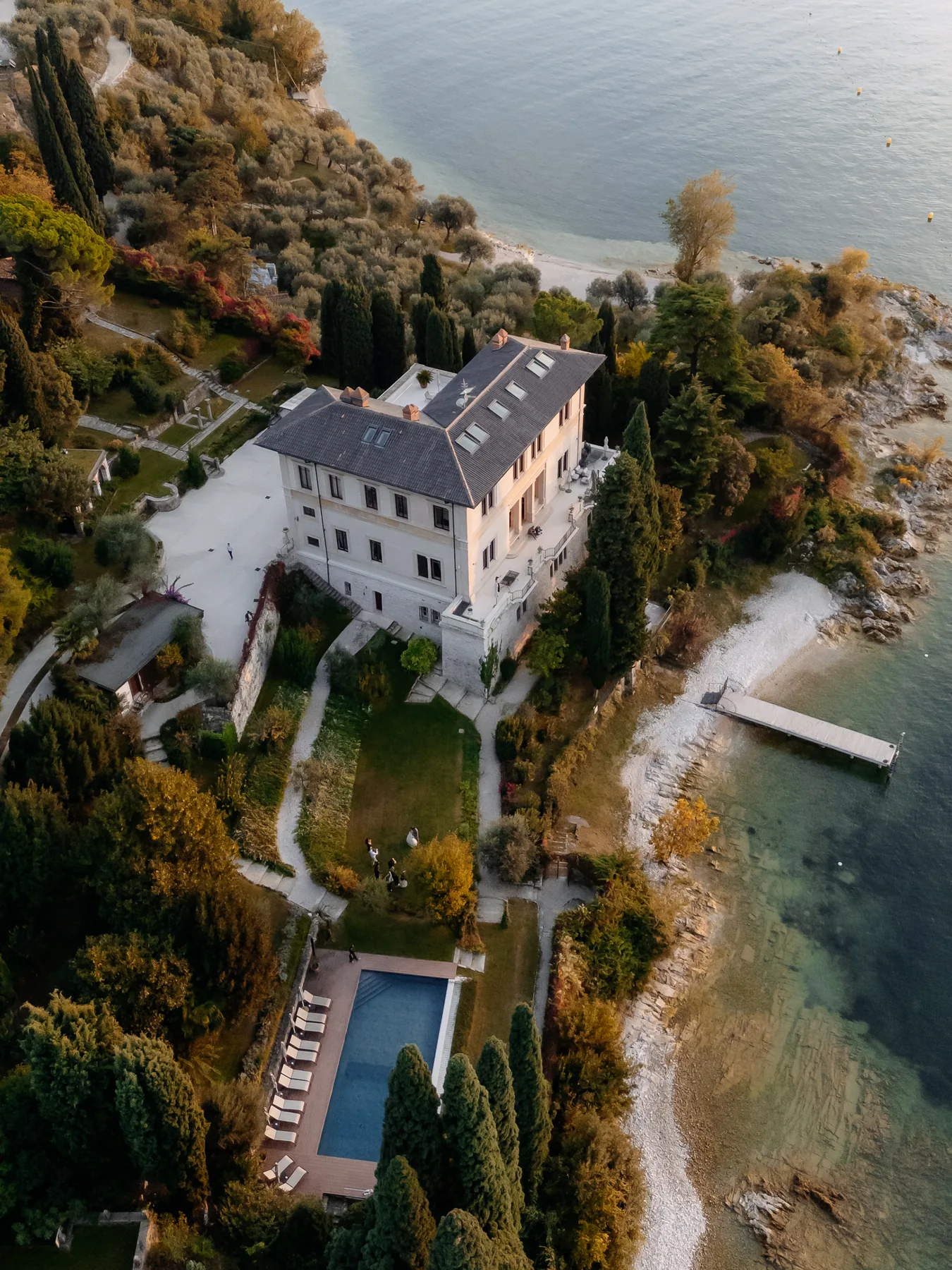
For a wedding, ceremony time, portraits, cocktails and dinner should respond to that progression. The best view at midday may feel entirely different later in the afternoon. An exposed terrace may be beautiful at one hour and uncomfortable at another.
Planning around light means observing the venue at relevant times, understanding the season and allowing the schedule to work with the setting. It also means considering shade, temperature and the transition into evening as part of the design rather than as separate logistical concerns.
Designing a Lake Garda Wedding Around the Experience
For couples considering Lake Garda, the venue should be evaluated as a complete experience. Look beyond the principal view and understand how each space will be used, how guests will move through the property and whether the alternative plan retains the atmosphere you value.
Protect the most important sightlines when developing the ceremony and dinner layouts. Consider the scale of the landscape before deciding the scale of florals or production. Allow the interior and exterior spaces to relate without forcing them to look the same.
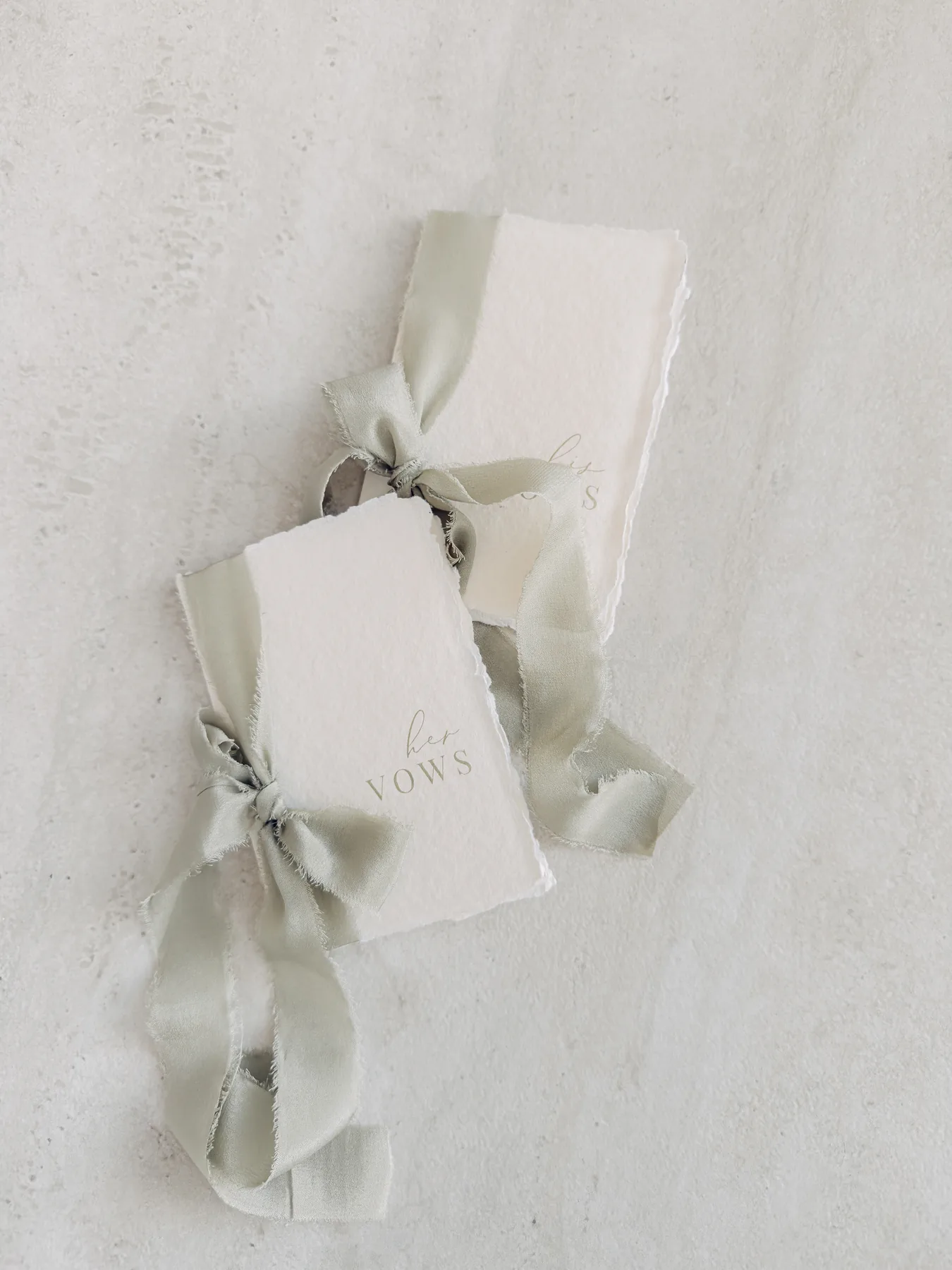
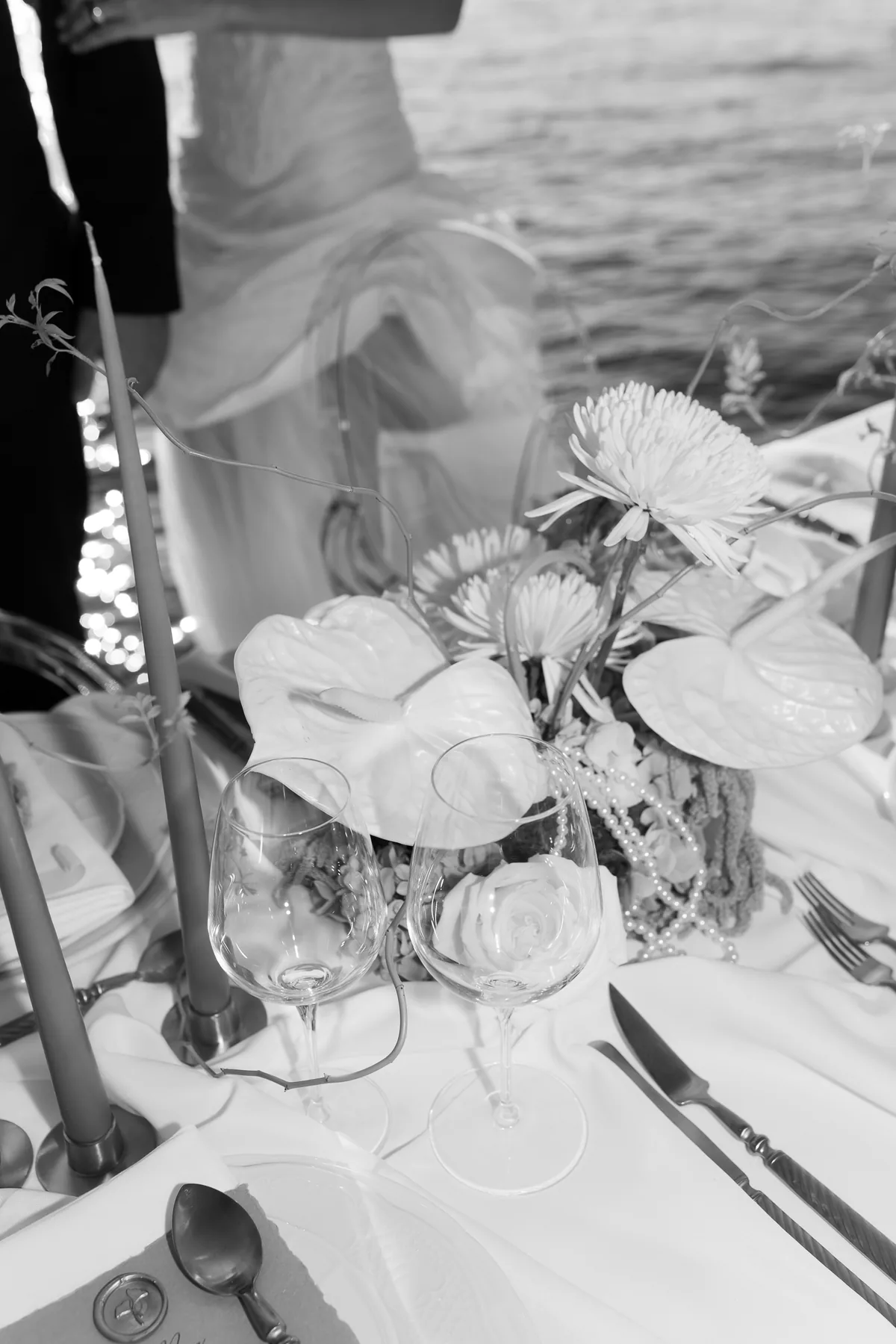
Most importantly, define what Italy means to you. A destination wedding feels personal when the design grows from the couple’s relationship with the place, rather than from a collection of expected visual references.
A Concept Belonging to Lake Garda
This editorial was not conceived as a design that could be transported unchanged to another venue. Its materials, movement and proportions responded specifically to Villa Caratti and the lake surrounding it.
That relationship gave the concept its identity. The view remained present, the historic interiors retained their intimacy, and the design connected the two with clarity.
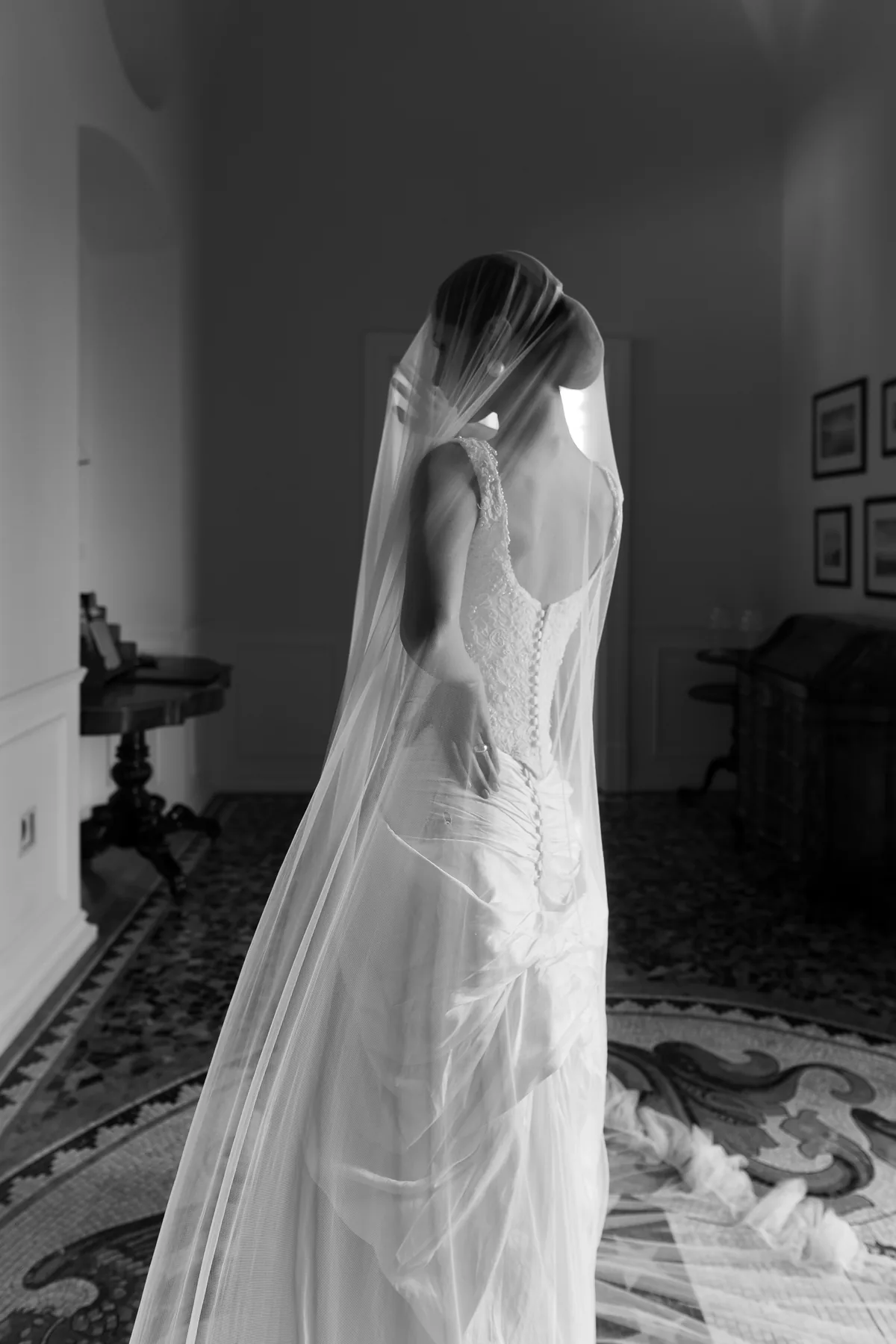

For me, this is the value of designing with a sense of place. The setting is not used merely to provide beautiful photographs. It shapes an experience that feels considered, personal and inseparable from its destination.
Planning a destination wedding in Italy or elsewhere in Europe? I would love to create a celebration that feels personal to you and genuinely connected to the place you have chosen.
Editorial Workshop: Glowsperience · Creative Direction, Planning & Wedding Design: Marcia Fernandes & Co. · Photography: Tomislav Marcijuš · Venue: Villa Caratti · Fashion Stylist: Joana Serwus · Stationery: Invite Momentos Felizes · Floral Design: Veilchen Und Porzellan · Models: Billy & Nana · Hair & Makeup: Blüesch · Dress Designer: Julita London · Tabletop Rentals: Rental Collection · Videography: Wild Silk Visuals