There Is No Single Best Month
When couples begin planning a destination wedding, the date often comes before many other decisions. Yet the month affects how the day feels: the light at the ceremony, comfort outdoors, time for photographs and the pace between each part of the celebration.
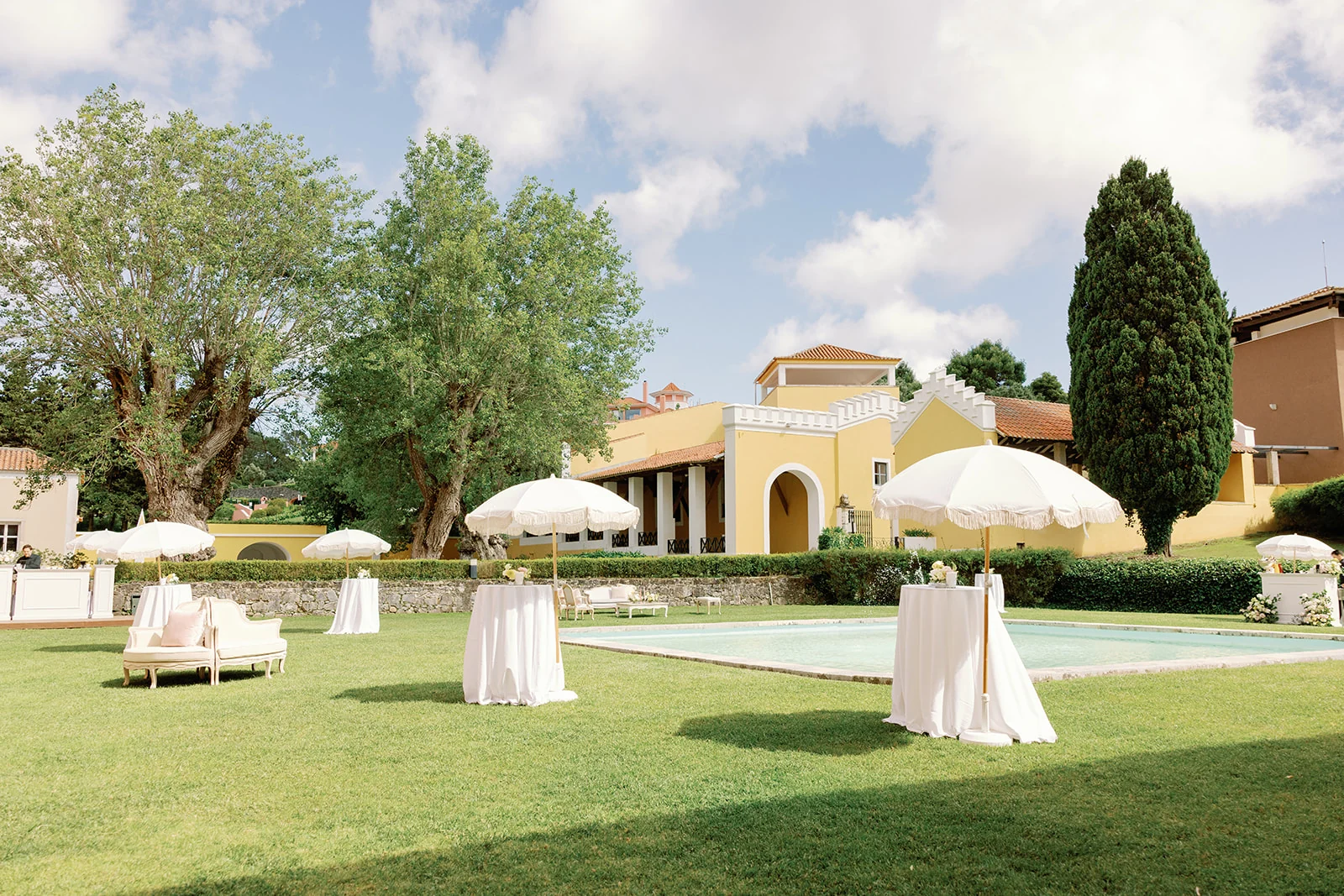
Across Europe, a summer date in the UK raises different questions from one in Portugal, southern Spain or northern Italy. The right choice depends on the place, the experience you want and how much flexibility the venue offers.
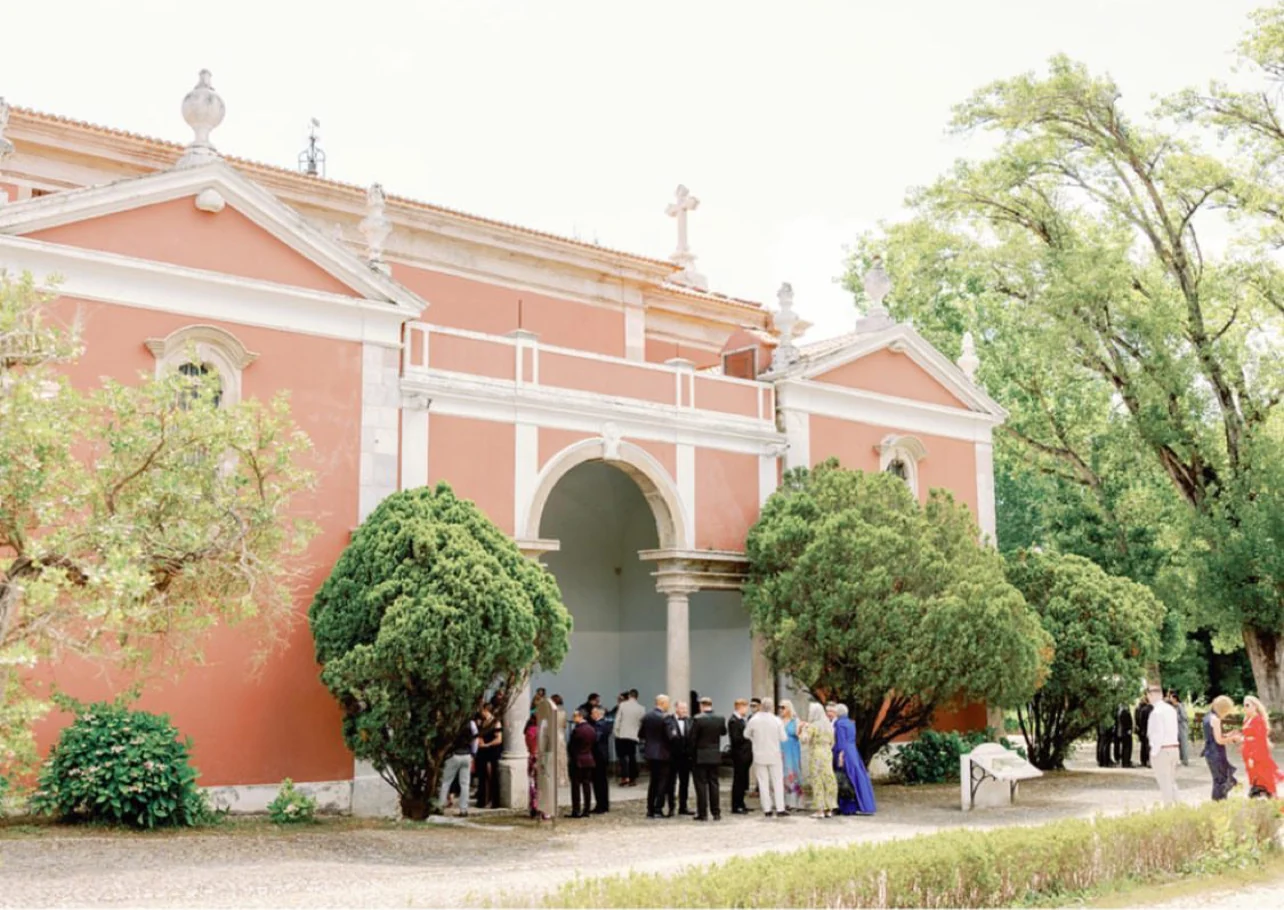
Climate averages can help compare options, but they cannot promise sunshine. The Met Office’s 1991–2020 climate averages for Oxford show mean daily maximum temperatures of around 19.6°C in July and 19.3°C in August, with at least 1 mm of rain on roughly 12 to 13 days in each month. These figures offer context for one part of England, not a forecast for every UK venue.
Summer Varies Across Europe

Climate can differ sharply even within one country. AEMET’s standard climate values show mean daily maximum temperatures of around 30.3°C in Alicante in July and 30.8°C in August, while Vigo records around 24.4°C and 24.7°C. These differences can affect ceremony timing, shade, hydration and guest comfort.

Temperature and rainfall are only part of the picture. Wind can make an outdoor ceremony unworkable, even on a clear day. I have had to move a ceremony indoors when the wind was too strong to continue outside. Lisbon’s 1991–2020 climate normals from IPMA show mean daily maximum temperatures of 28.2°C in July and 28.8°C in August. I have also delivered weddings in Portugal in temperatures of 37°C to 40°C. The heat called for a detailed plan, agreed with every supplier, so the couple and guests were cared for and the day could flow safely. That experience informs how a venue is assessed: its exposure, the comfort of its spaces and how well the celebration can adapt.
Assessing the Weather Plan at Your Venue
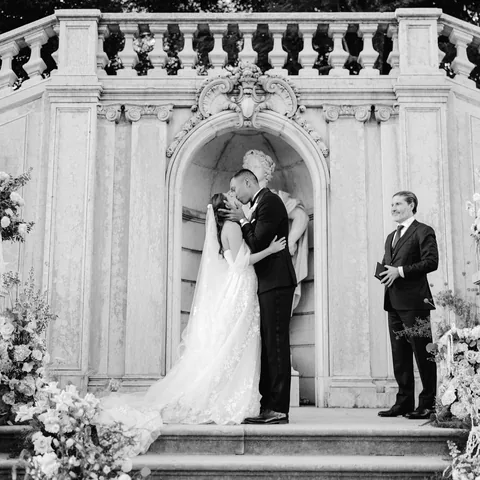
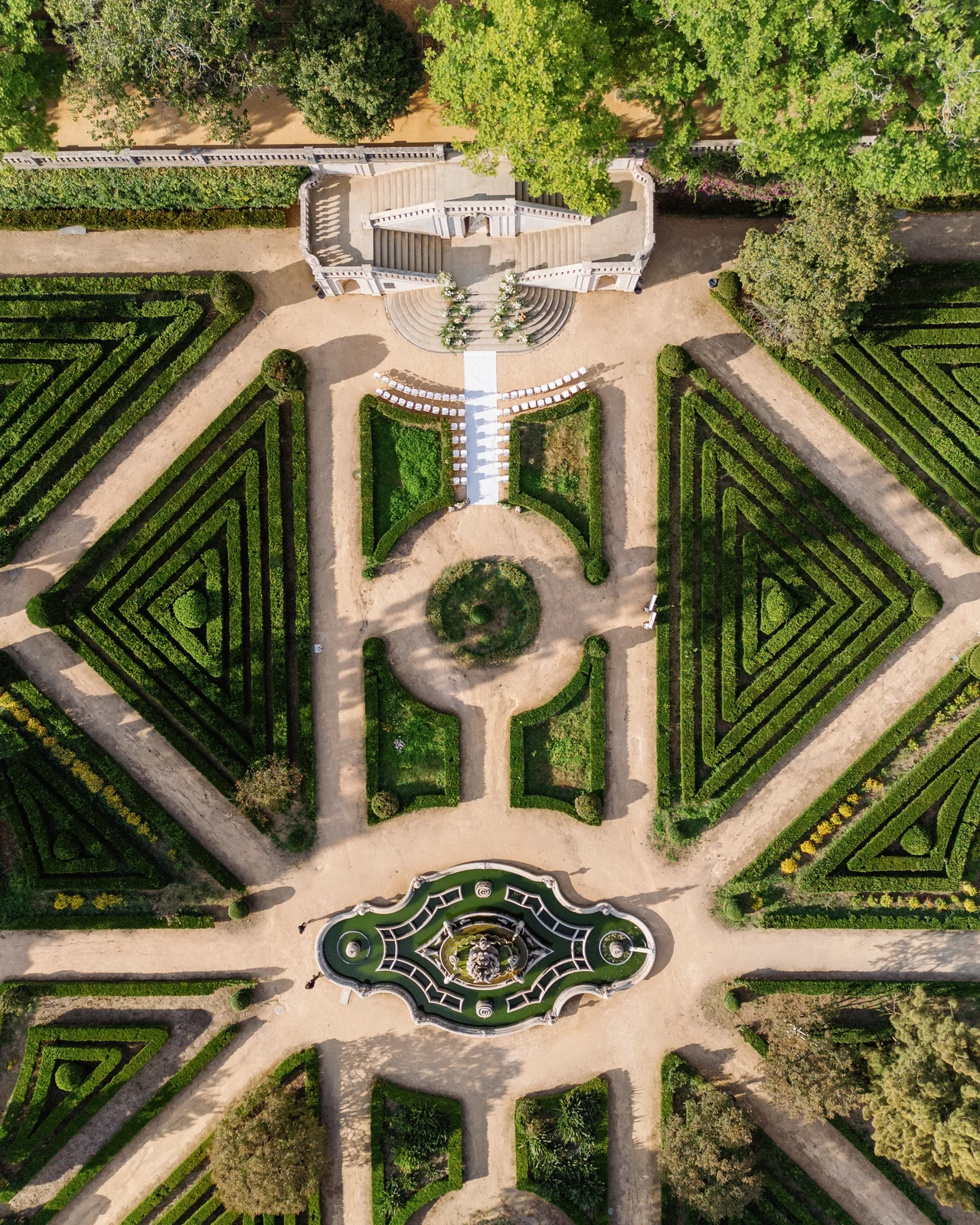
An outdoor ceremony setting needs to be considered for its exposure to wind and direct sun, the shelter or shade available to guests, and how readily the celebration could move indoors.
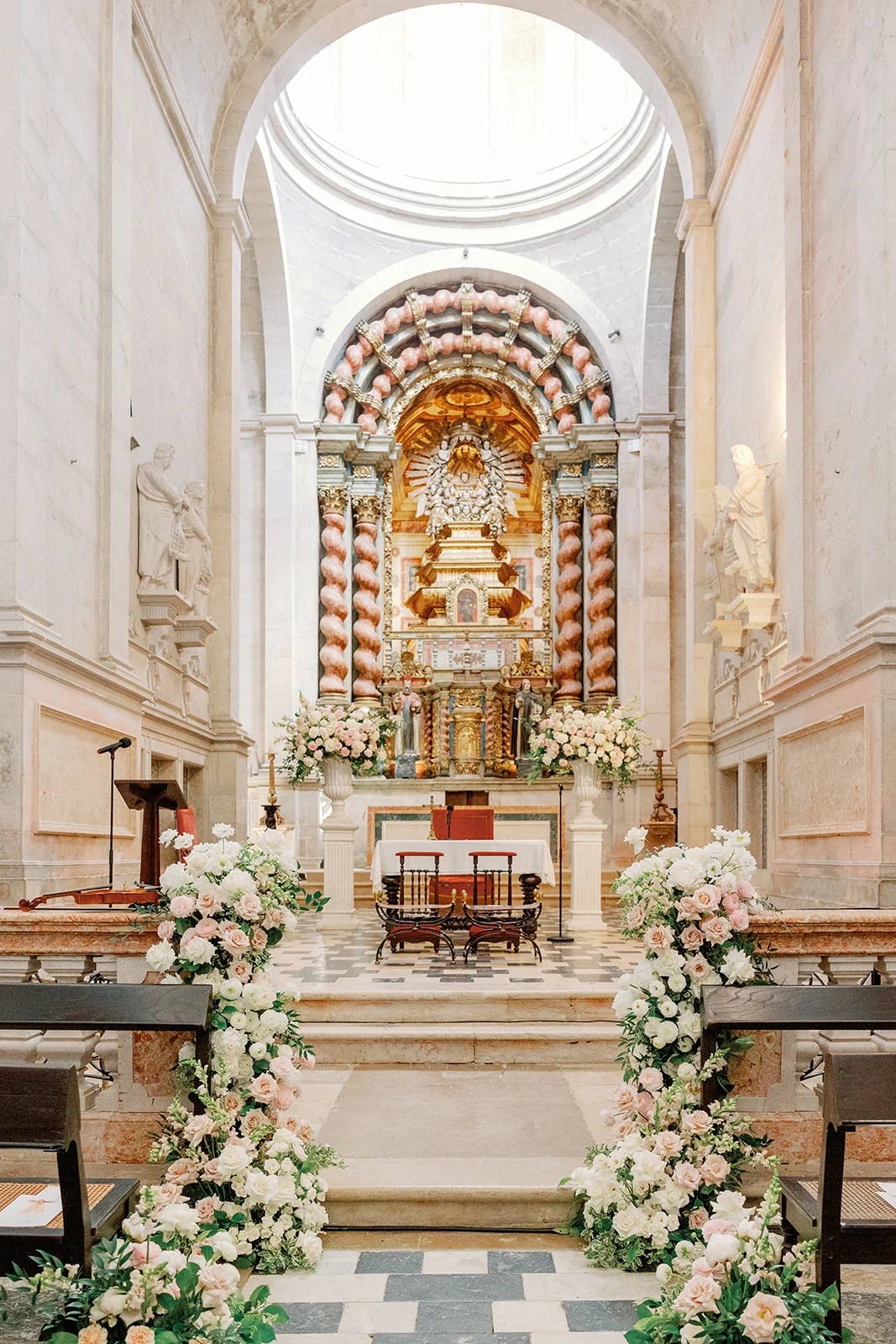
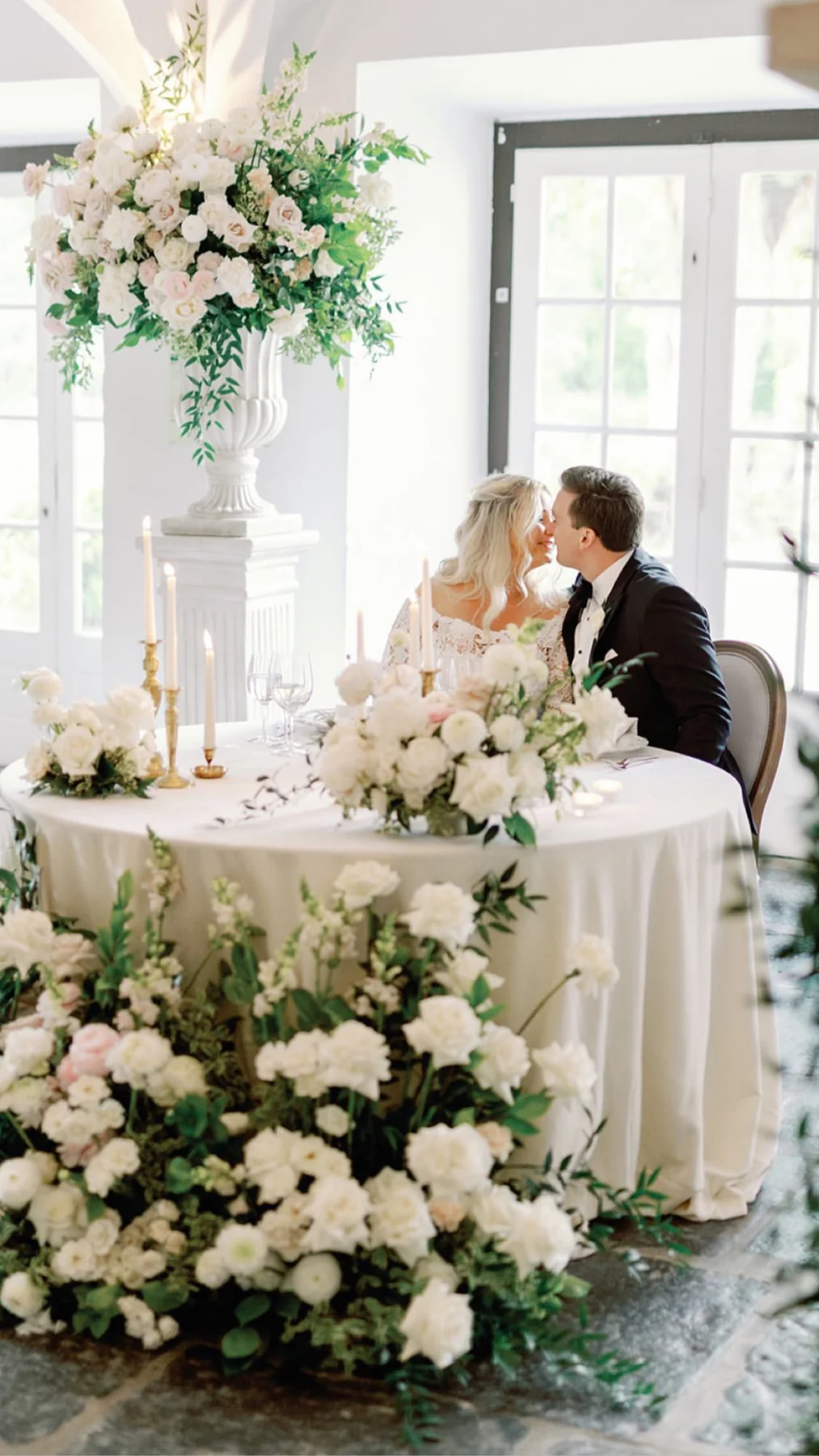
Photos: Momento Cativo
Planning with the venue and suppliers means establishing which indoor space can hold the guest list, how its layout relates to the rest of the day, who will make the weather decision and by when, how long a room reset takes, and how furniture, flowers and sound equipment can be moved safely.
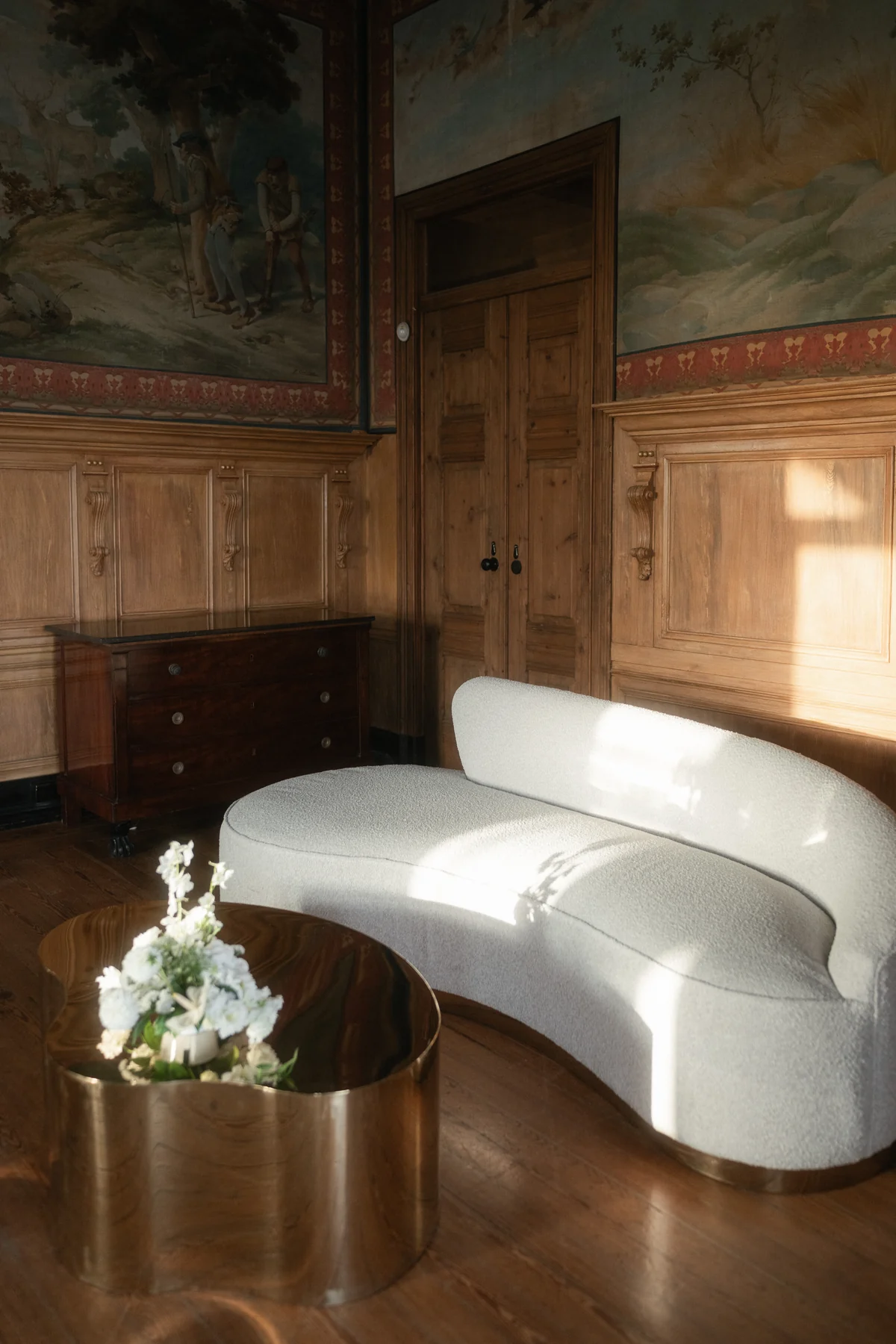
A plan B belongs in the design conversation from the start. It needs to work for the guest count, ceremony and schedule, so a change of location does not leave the couple and suppliers making urgent decisions on the day.
Let the Light Inform the Timeline

Golden hour is not a fixed appointment. Its timing changes with the date and location. Before the schedule is set, sunset for the exact venue and wedding date can be checked, followed by a conversation with the photographer about a brief portrait window.
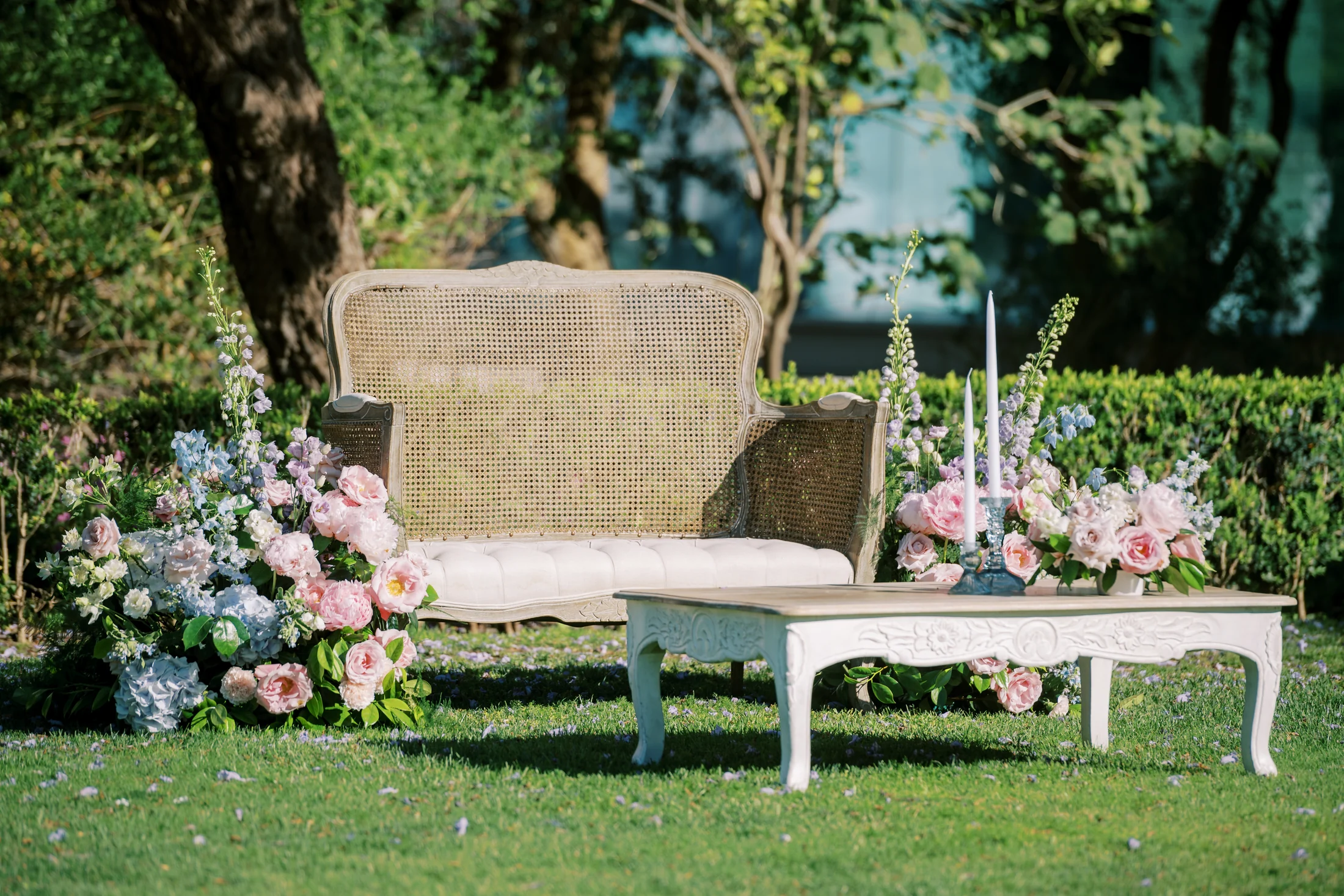
That window should give you beautiful light without taking you away from your guests for too long. Depending on the season, it may fall before dinner, during the drinks reception or between courses. The timeline can make room for photographs without making the celebration revolve around them.
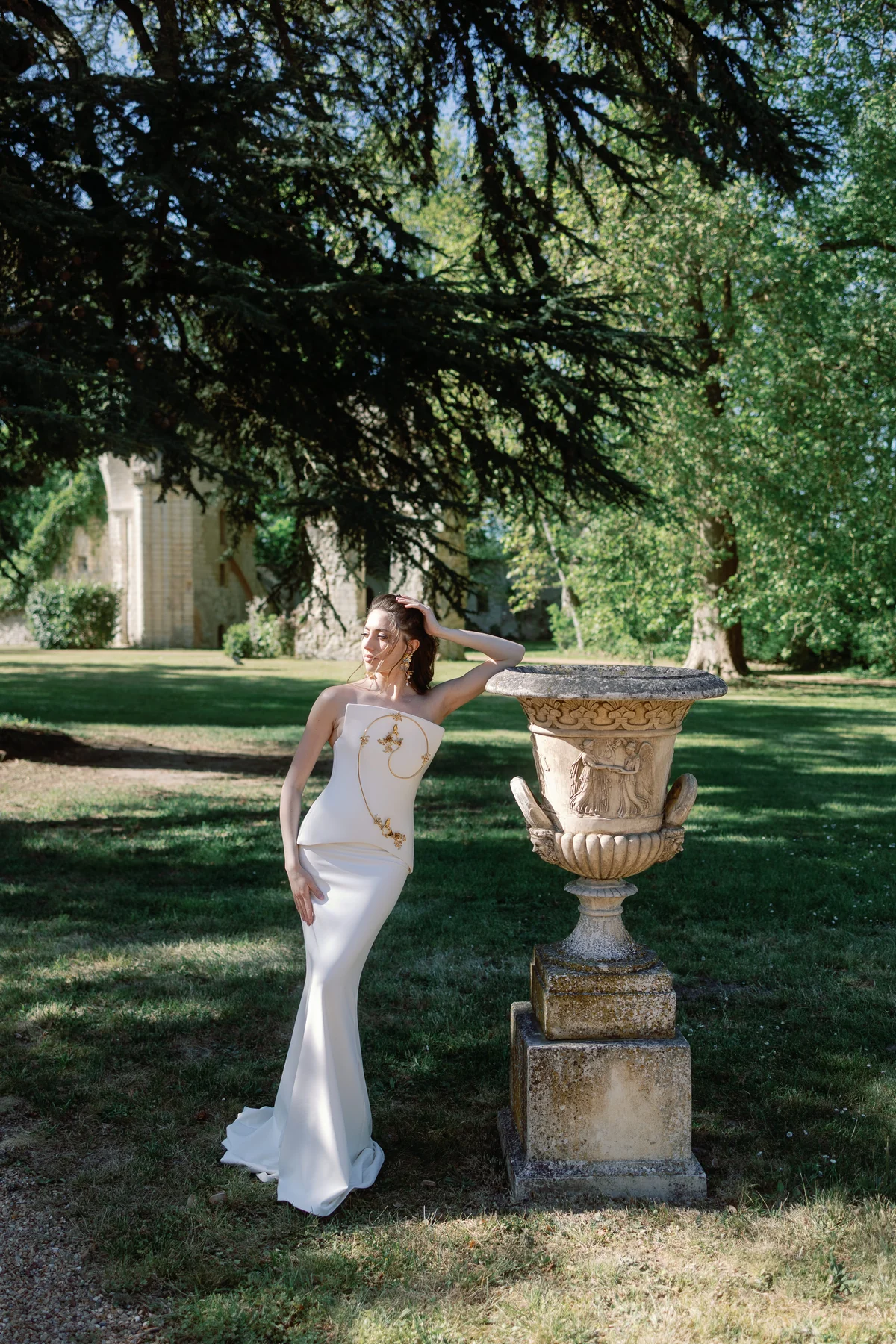
A thoughtful sequence allows realistic time for getting ready and travel; places the ceremony with light, temperature and guest comfort in mind; gives guests time to settle during drinks; and lets dinner, speeches, cake and dancing find a natural order. There is no rule that the cake must be cut at a particular hour. If the dance floor has found its rhythm, it may feel better to let it continue than to pause the evening for a formal moment.
Give the Morning Enough Time
The morning deserves the same care as the ceremony. Hair and make-up, photography, venue access and the distance between rooms all affect when the couple and wedding party need to be ready. If people are preparing in different places, those movements need to be part of the schedule. A few well-placed buffers can protect the atmosphere; a timeline with no room to adapt can make small delays feel much larger.
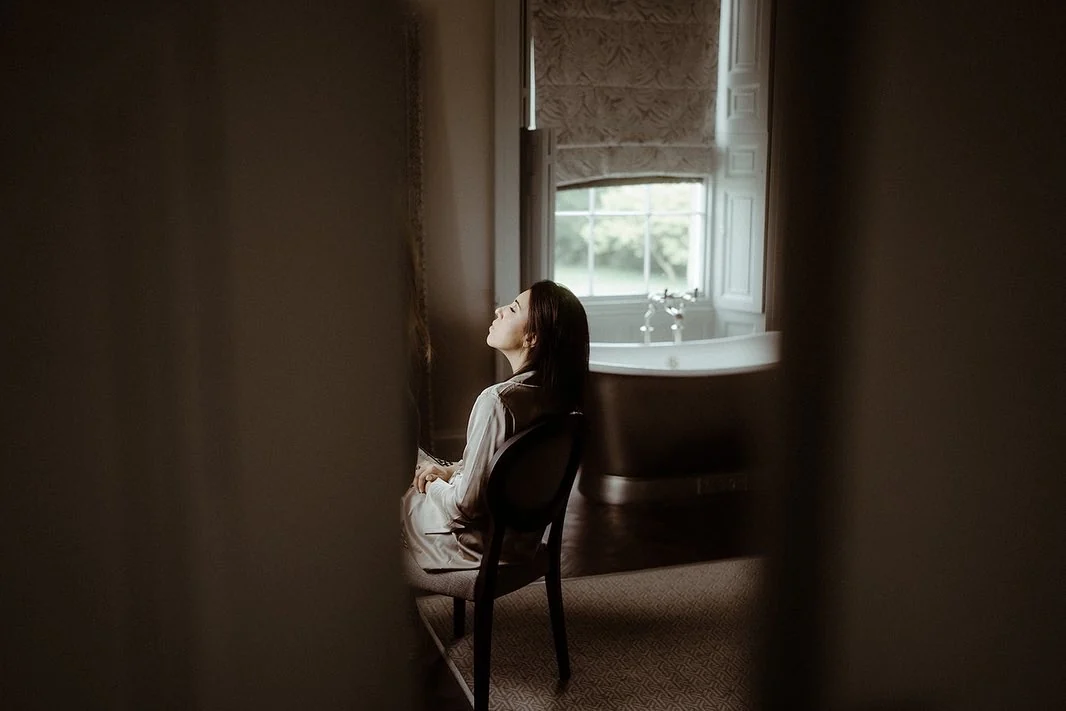
A Timeline That Leaves Room to Be Present

The most memorable timelines do not feel over-managed. They let the day unfold while giving important moments enough space. A sunset boat trip might suit a coastal or lakeside destination; at a country estate, a quieter welcome gathering may feel more connected to the setting.
A considered schedule brings the date, venue, light, suppliers, guest journey and weather plan together. The aim is not to fill every hour, but to give the day enough structure for you to be present with each other and with the people who have travelled to celebrate alongside you.
Choosing a date in the UK, Portugal or elsewhere in Europe? Marcia Fernandes & Co. can shape the season, setting and guest experience into one considered plan.
Written by Marcia Fernandes, Founder and Creative Director of Marcia Fernandes & Co. · Photography: Vadim Pastuh · Momento Cativo · Ricardo Catarro · Linda Mesa Weddings · Love Is My Favorite Color · Symphony of Light · Mati Photography · Nia Carvalho